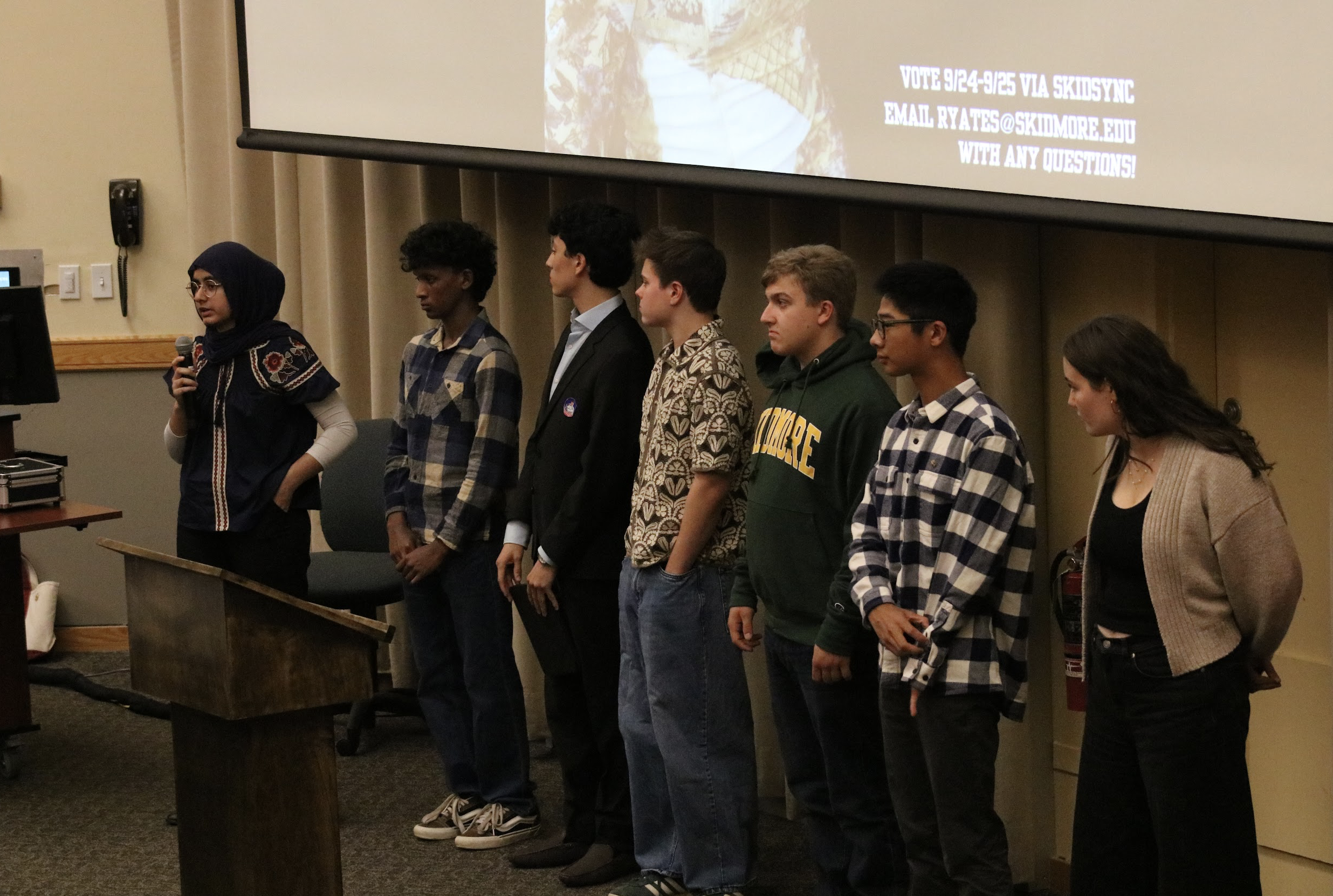
Last night was the SGA speech night, with students showing their support for each candidate. With a few seats open for upperclassmen, the main positions open are for our first-year president and senators.
Speech night started with the Senior Senator positions. Khamani Bhola ‘27 wants help with the Falstaff initiative, strengthen student communication in SGA, create more opportunities for student feedback, and increase student engagement on campus. During his speech, he opened up about loneliness at Skidmore and having a hard time finding connections. He wants to use that feeling as a drive to reach out to others, build community, and find the fundamentals for every class year. He believes that people should get together just to get together (like using Falstaffs). He additionally showed interest in helping clubs. He also talked about wanting to be vulnerable in political areas so we can disagree with compassion. He was asked from the crowd, what is something he wants to change in this term that is different from his other term in SGA? He answered, to be more consistent and put in more effort than he did before, and wants to apply himself in different areas like he has at Falstaffs.
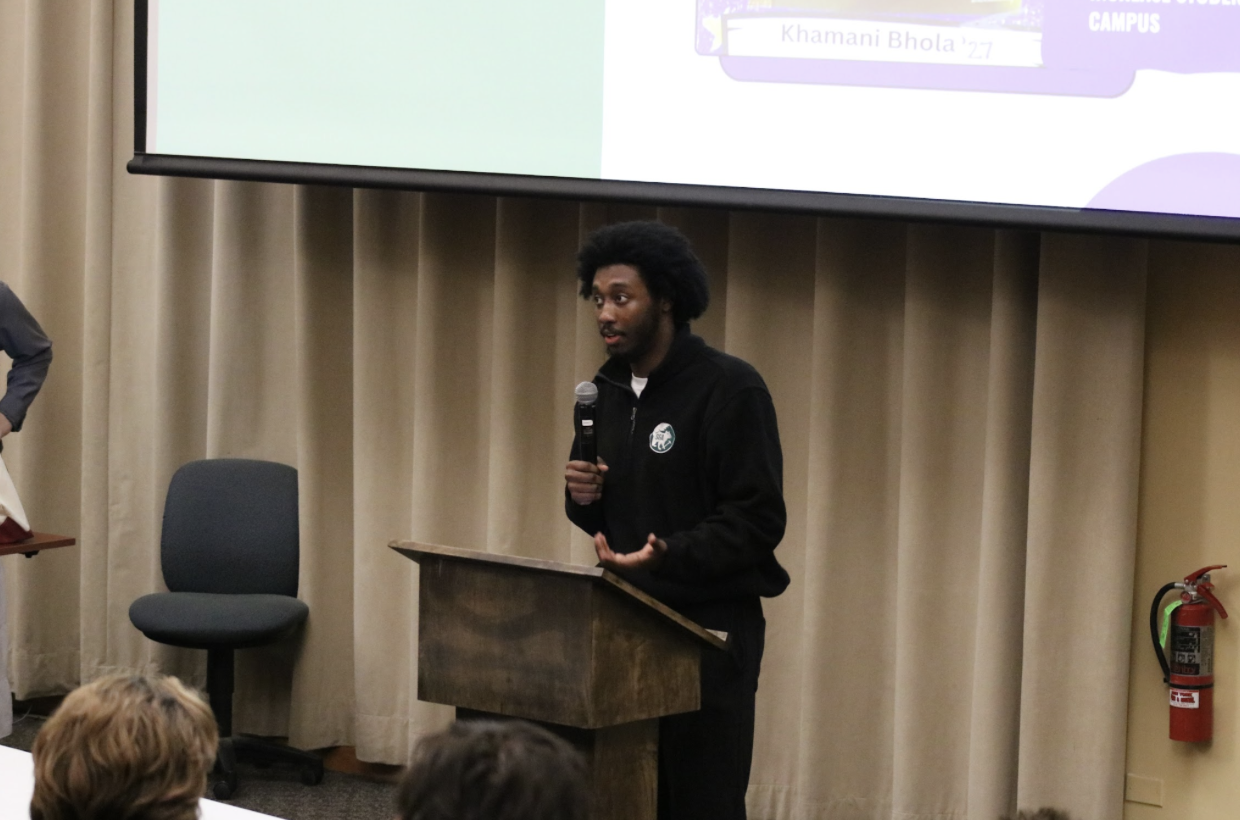
Khamani Bhola ‘27 (photo credit: Penelope York)
Darek Silva ‘27 says he is here to make a change in the world. He mentioned we are very compassionate students and that we want to make a difference in the world. He wants to help invest in students in their careers and wants to give students resources as the next generation of leaders. He would also like to bring more recruiters to campus with an emphasis on large organizations. His examples of large organizations included Google and the United Nations. He thinks it’s important to be more engaged with alumni. He wants to represent even beyond seniors (as senior senator). He thinks every student is worth investing in, and would like to focus more on professional development and transparency, especially with the return on investment for paying a lot of money for this college. One question from the crowd: What policy solutions would he propose to get a better return on investment? He talked about a more holistic recruitment for all majors, more opportunities like fellowships that students might not know where to look for, and improving on the transparency that the CDC provides.
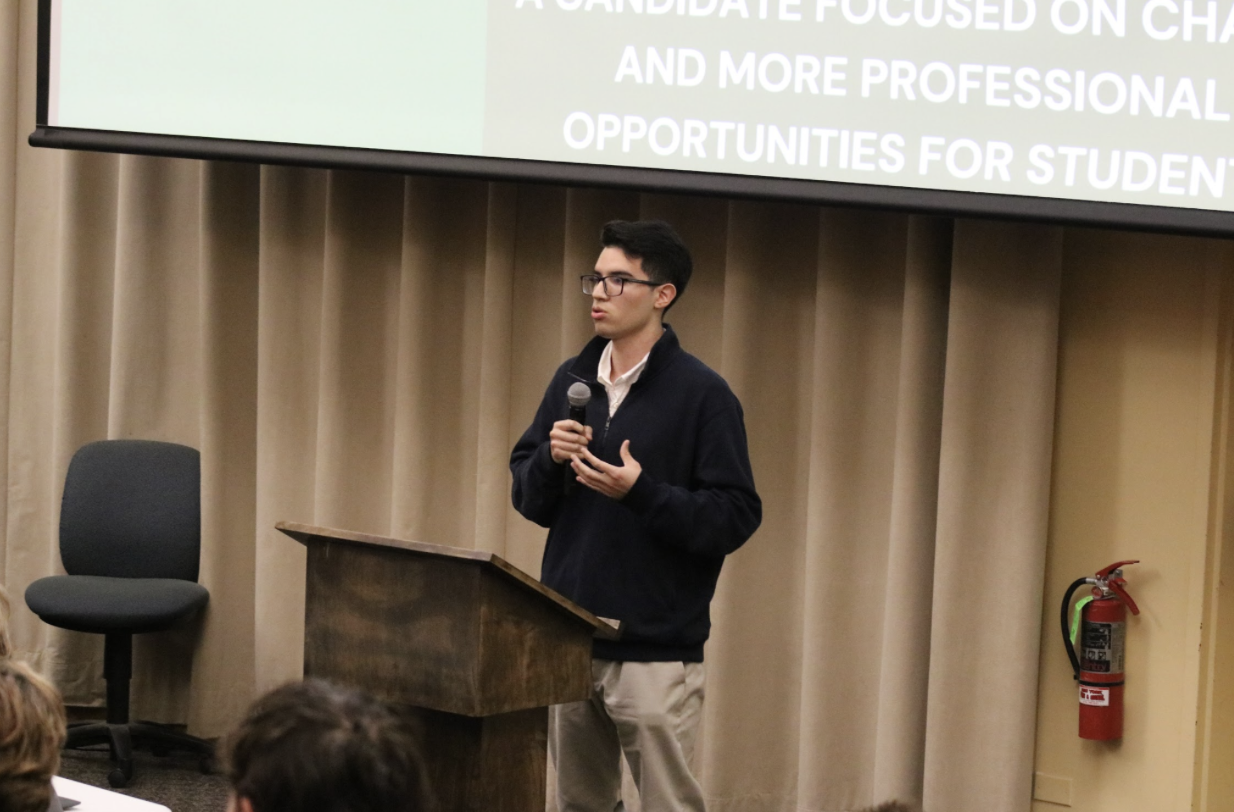
Darek Silva ‘27 (photo credit: Penelope York)
For the Junior Senator position, there’s only one candidate this year. Laura Lim ‘28 is fighting for accessibility rights, RA unions, fair wages, and inclusivity for minority groups. She believes there are many areas for improvement on campus. She brought up how someone couldn’t apply for CA in the apartments because they couldn’t apply for an accessible apartment (even though they were more than qualified), and has her own disability needs that aren’t necessarily visible. She would like to expand student spaces to make them feel more welcoming. The crowd asked, “What kind of actions should people take for accessibility?” Lim talked about the accessibility issue last year and wanting to bring it back into conversation, and helping people with learning disabilities in the classroom. Another question the crowd asked was, “What plans do you have for first-generation students and international students?” Lim wants to host events for people to come together to feel less alone.
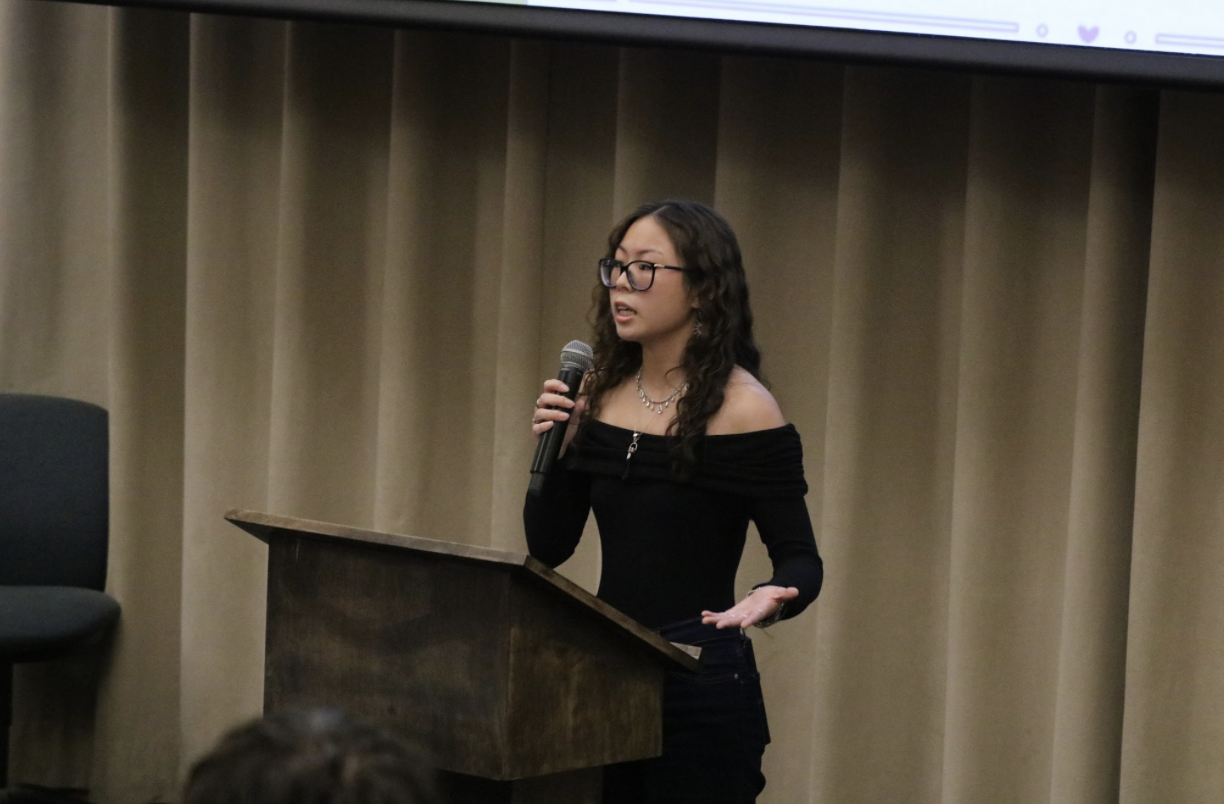
Laura Lim ‘28 (photo credit: Penelope York)
Three candidates are running for Sophomore Senator positions. Soraya Gordon ‘29 talks about her experience on SGA (freshman senator, executive vice president). He is ready to jump back in, create a better sense of community, and help provide resources for students who need them. He also wants to pick up Skidmore Cares. He is an active listener and wants to make sure everyone feels heard. One question the crowd asked was, “What was the most impactful part of SGA for you last year?” Gordon discussed being one of the voting members for the accessibility meeting, even though it didn’t pass, and working with the SGA senators.
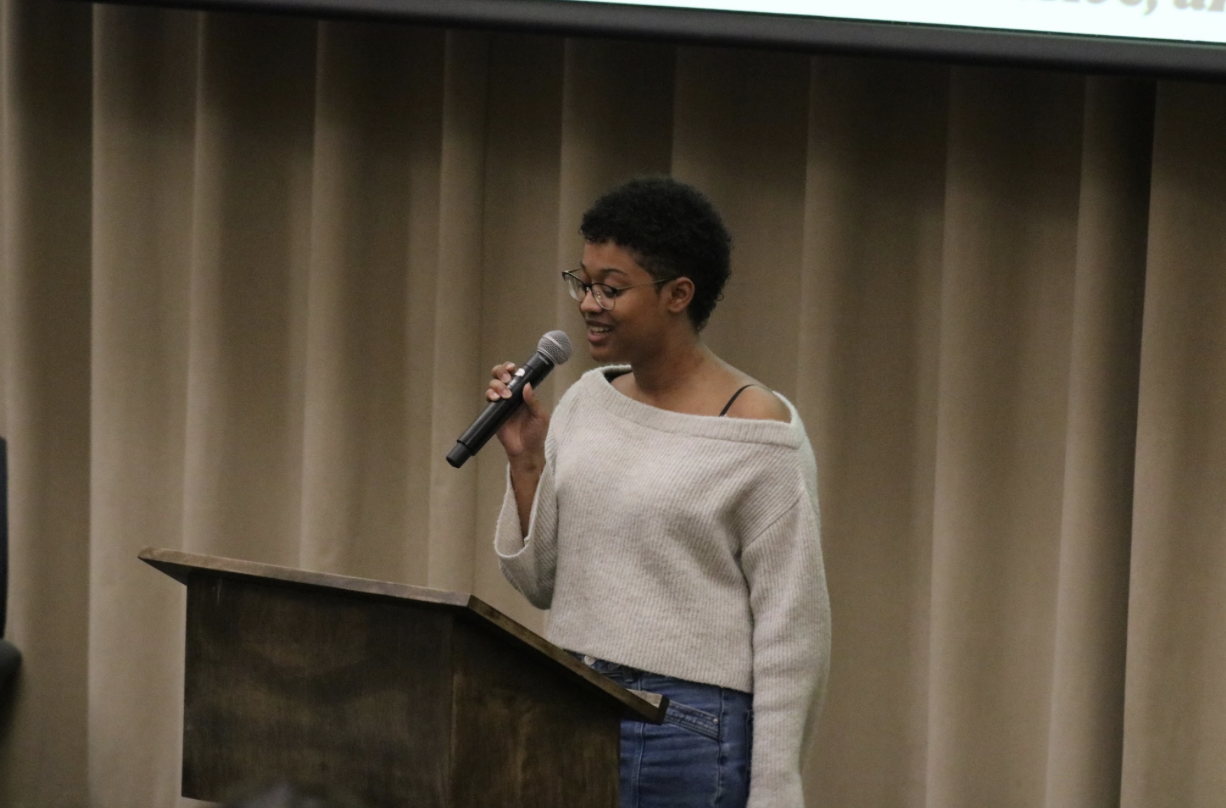
Soraya Gordon ‘29 (photo credit: Penelope York)
Jack Harrison ‘29 wants to be a voice for all. He believes Skidmore needs improvement using creative solutions, and thanked everyone who contributed to making speech night possible. One question the crowd asked was, “Would you work with the administration to fund the goal of accessible course material?” He would like to talk to faculty using creative solutions.
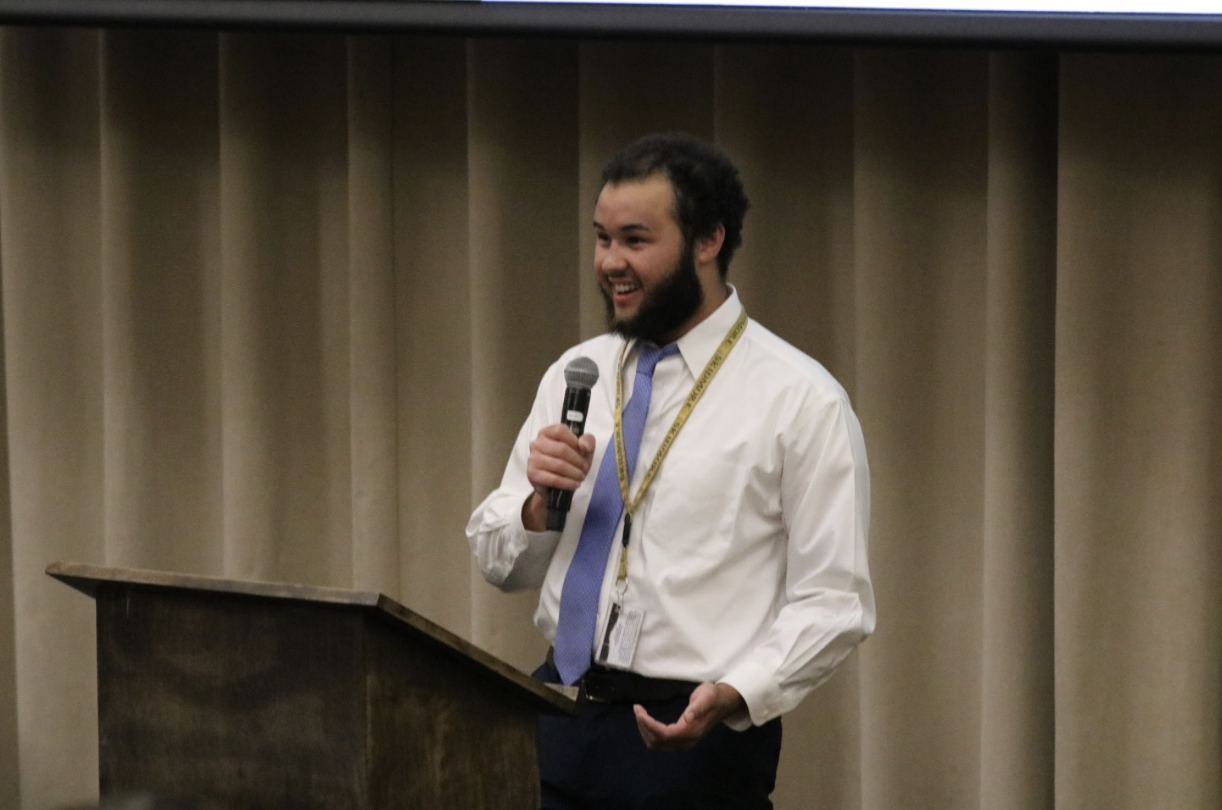
Jack Harrison ‘29 (photo credit: Penelope York)
Ashary ‘29 has gotten to view Skidmore from many different perspectives from her experience here. Through this experience, she wants to advocate for students’ concerns and promote a more inclusive campus. She believes it’s important to advocate for funding for students’ needs on course material and advocate for a cleaner and sustainable campus. The crowd asked the question, “What’s your biggest goal?” She wants to advocate for funding for students’ needs on course material because it’s hard for many students to afford expensive textbooks.
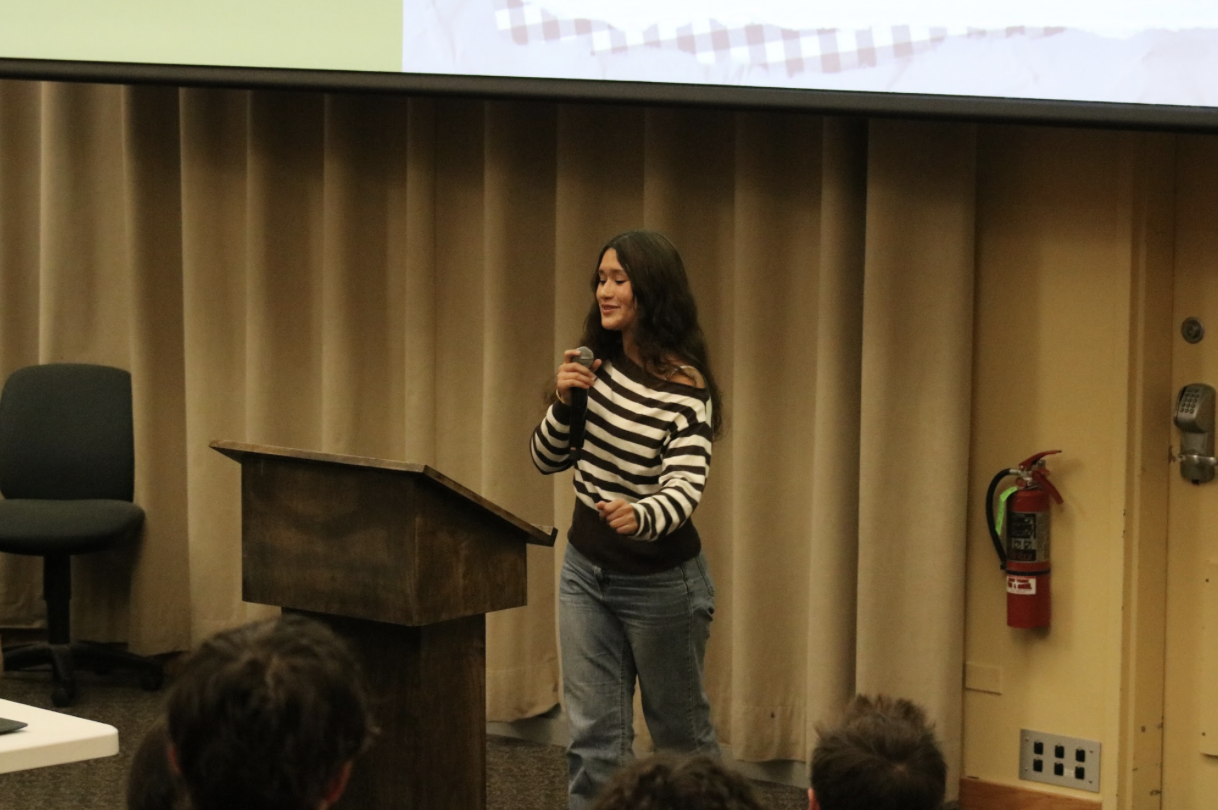
Ashary ‘29 (photo credit: Penelope York)
The last positions up for vote are Freshman Class President and Senators. Pranav Belur ‘30 (Senator position) mentioned keeping his speech short, sweet, and efficient, like he will be as a senator. He has lots of volunteering experience and wants to help students who aren’t as privileged. When asked if SGA should be paid, he believes SGA is a volunteer position and should not be paid.
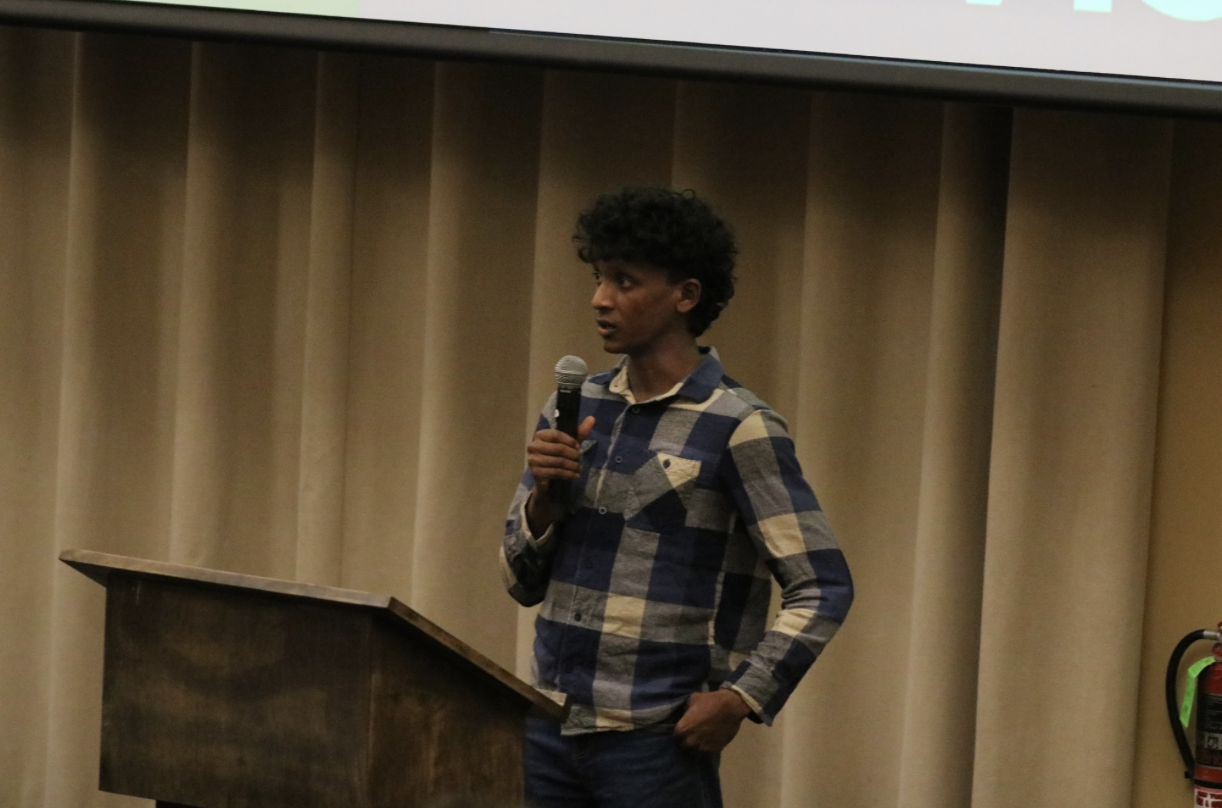
Pranav Belur ‘30 (photo credit: Penelope York)
Isaiah Billings ‘30 (Senator position) believes administrators shouldn’t make big decisions without including students, like the Flock cameras on campus. He also mentioned events aren't advertised enough and wants to create more fun events using students’ voices. He encourages student feedback. For example, if people want to have Dhall open till 9 pm, we should advocate for that. He says students are what make this school great, so we should be making the rules. When asked if SGA should be paid, he generally says no to SGA payment.
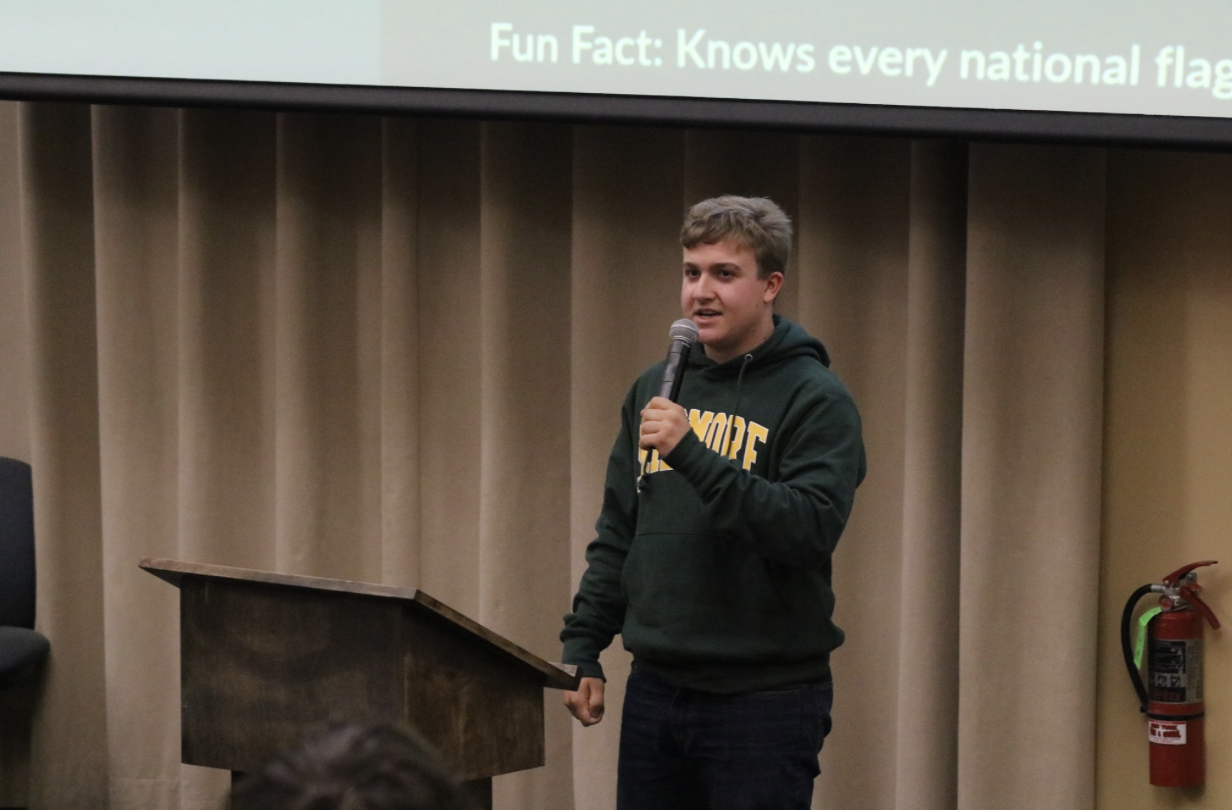
Isaiah Billings ‘30 (photo credit: Penelope York)
Nick Bunch ‘30 (Senator position) expressed his previous experience founding a high school athletic inclusion club for students with special needs and founding a campaign that raised over $1000 for veterans. He wants to use every unique student’s voice to help improve Skidmore. When asked if SGA should be paid, he does not believe it should be.
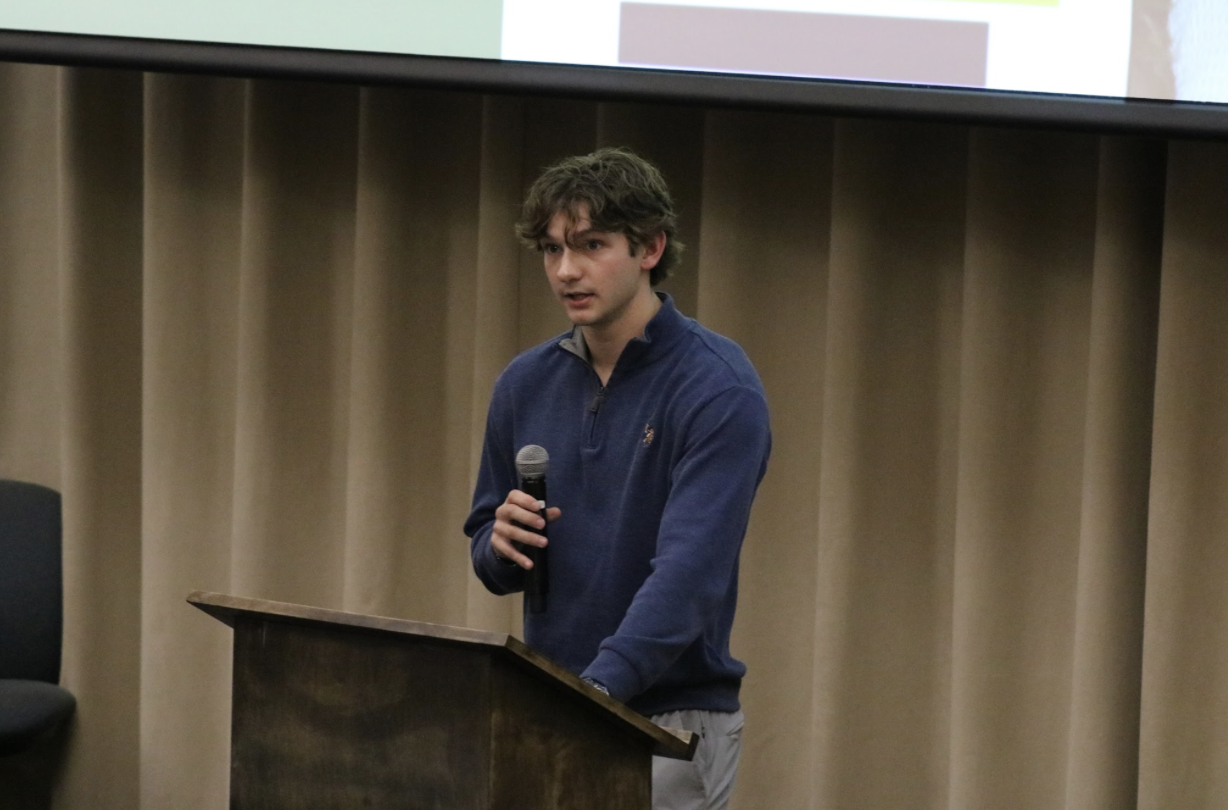
Nick Bunch ‘30 (photo credit: Penelope York)
Han Cabe ‘30 (Senator position) has experience as an SGA member for 7 years in middle and high school, former treasurer, secretary, and vice president. He wants to plan fun events, community outreach programs that would benefit Skidmore students, and be a voice for the freshman class. He talked about wanting to bring more attention to the harms of AI with students and administrators. He loves it at Skidmore and wants everyone else to love it too. When asked if SGA should be paid, he believes SGA should not be paid and it should go to the students.
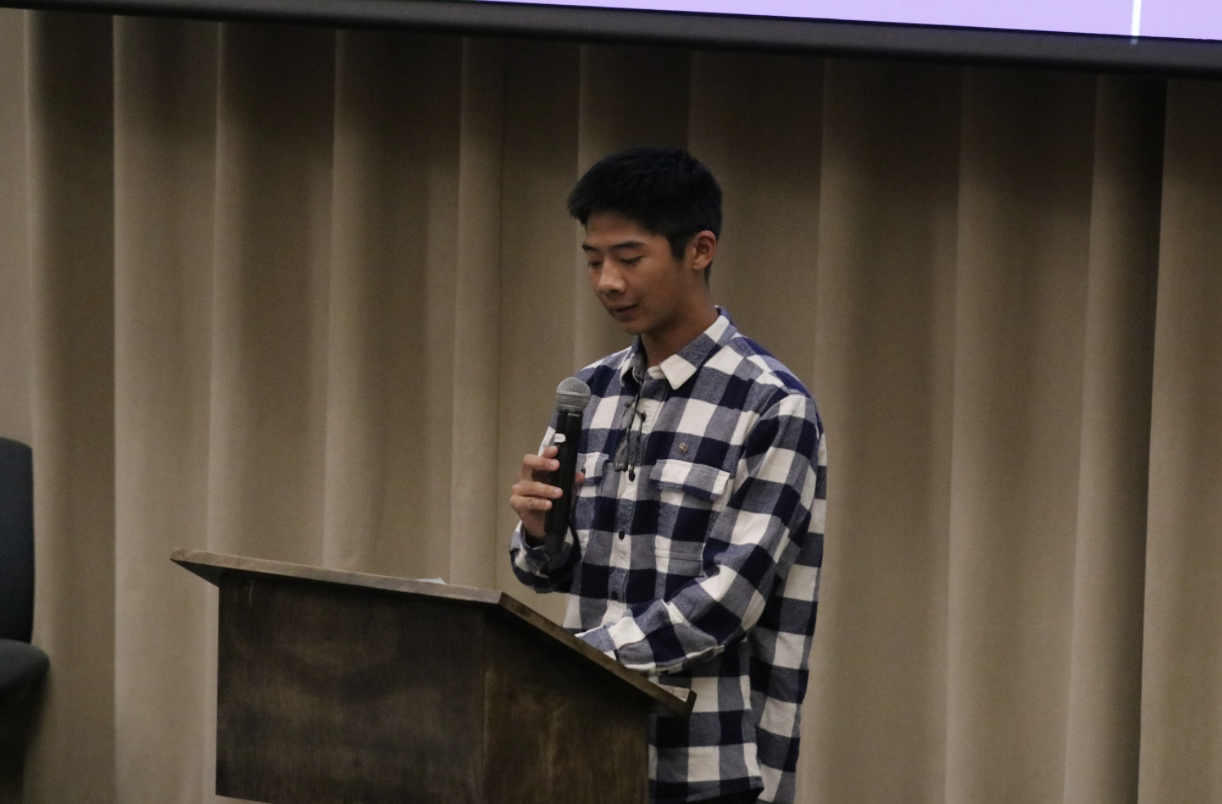
Han Cabe ‘30 (photo credit: Penelope York)
Ella H. ‘30 (Senator position) served as student body president in high school. She told a story of how she was hit in the head by a frisbee, and they immediately went over and apologized. She wants to represent this kind of student body, be a resource for all freshmen for on- and off-campus life, translate our ideas into action, be a friendly face and listening ears, and bridge the gap between administrators and students. When asked if SGA should be paid, she believes SGA should not be paid and the money should go to the students.
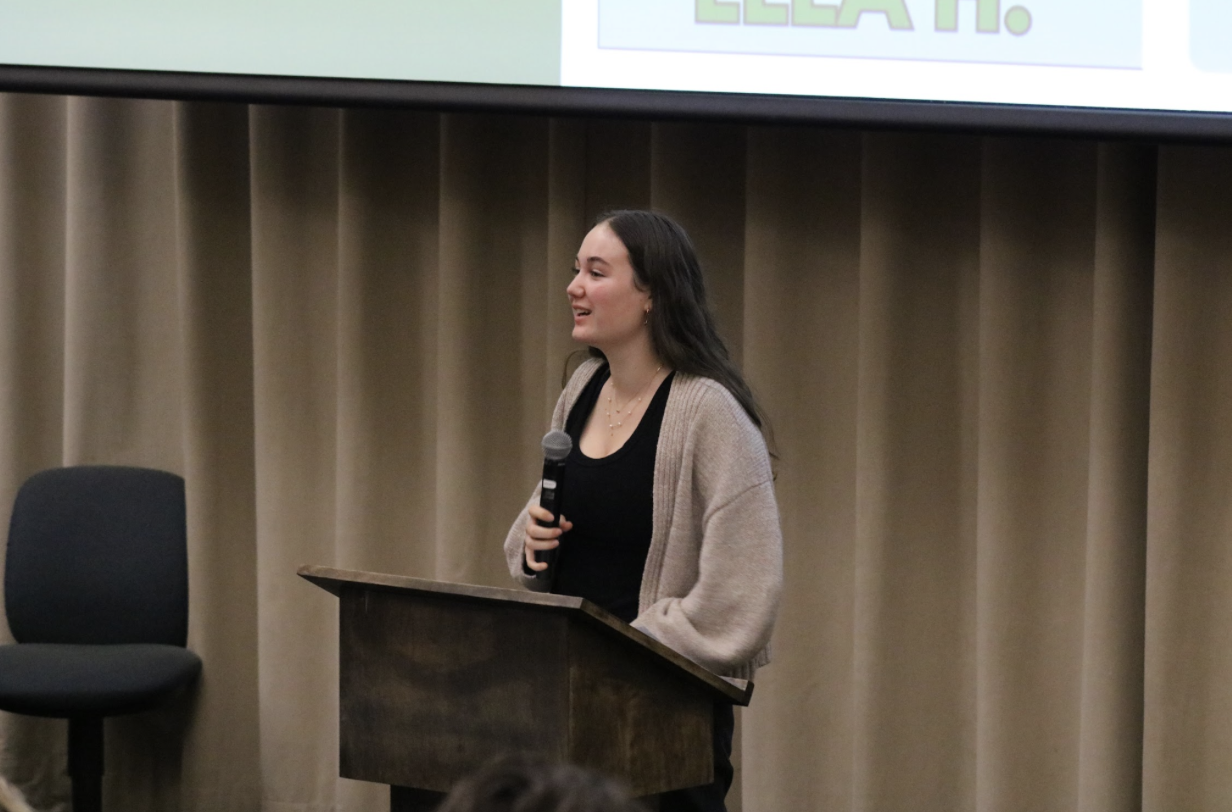
Ella H. ‘30 (photo credit: Penelope York)
Jackson Headley ‘30 (Class President) said his goal was to make as many friends as possible when he stepped on this campus. He wants everyone to know him by the end of the year, improve mental health resources, stop the overall cliquishness on campus, and advocate for everything we’d want to change or add. When asked if SGA should be paid, he agrees with SGA being paid.
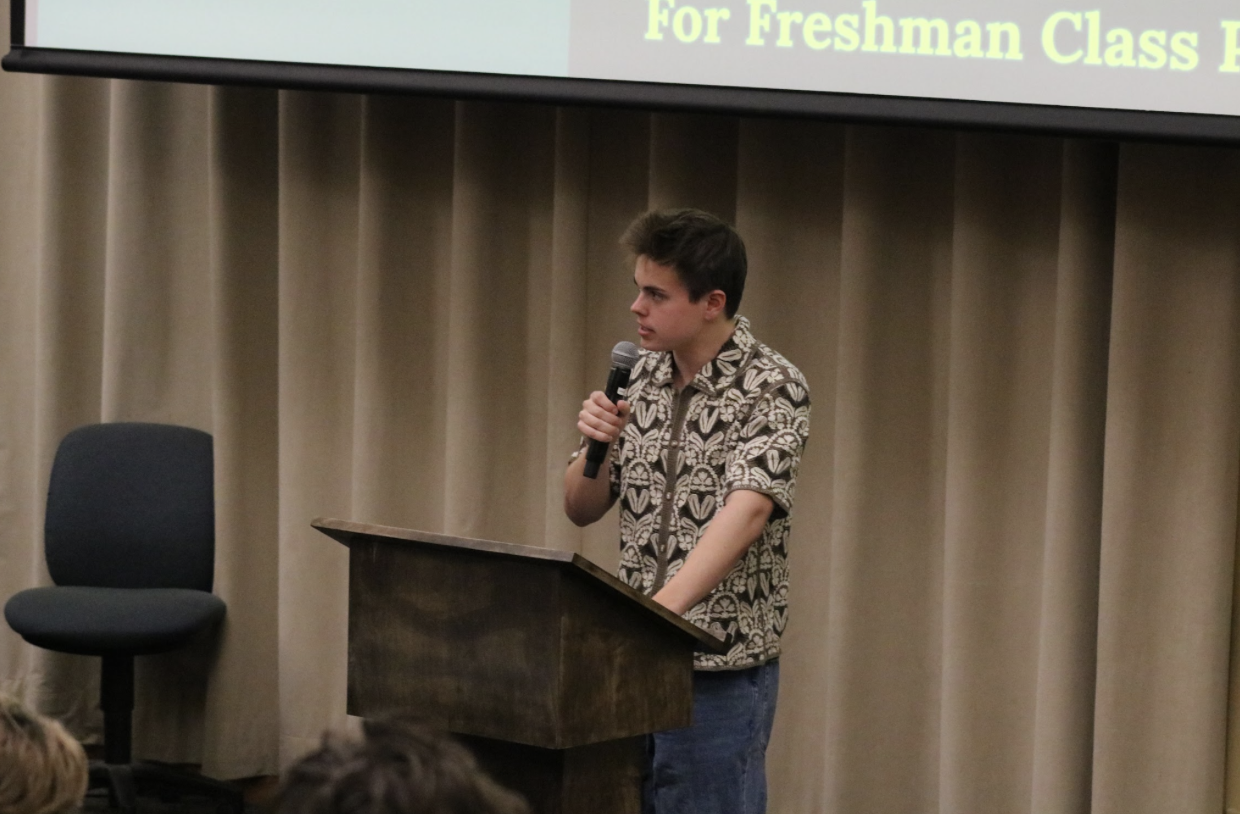
Jackson Headley ‘30 (photo credit: Penelope York)
Hafsa ‘30 (Senator position) discussed easier access to better course materials, shaping classes with student input on courses, and creating a navigating guide for freshmen (like the correct people to email for certain circumstances). They want stronger first-year voices, centralized pages for internships/research opportunities, and numbering the deli sandwiches that actually track what students order. When asked if SGA should be paid, they agree with SGA being paid.
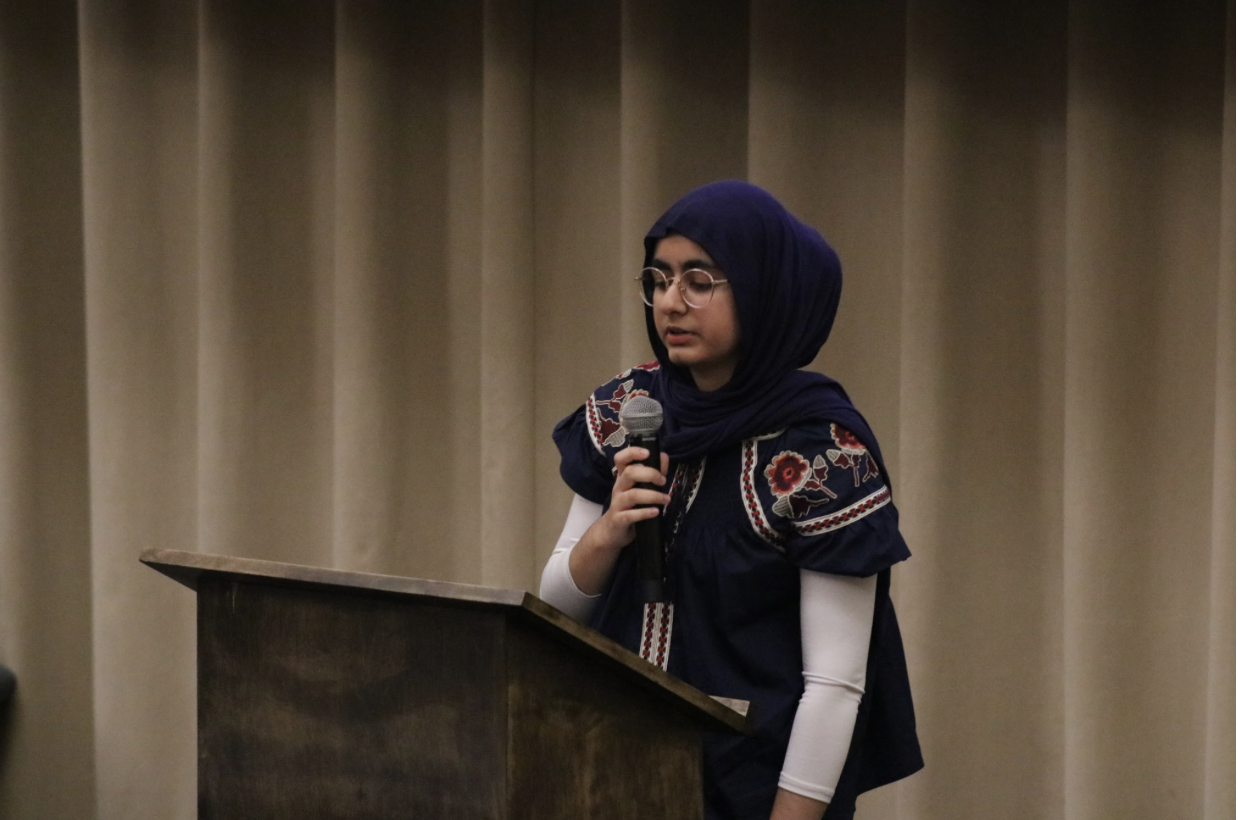
Hafsa ‘30 (photo credit: Penelope York)
Thomas ‘30 (Class President) main points were accessibility, including making signs and maps bilingual + trilingual, improving elevators, access to classes, access to public spaces and centers. Advocacy: freshmen can approach him personally with concerns and questions - feedback stations and forms. Engagement: running a campaign that allows voters to tell us their concerns on giant posters - we want YOU to tell us what you would do if you were president for a day. When asked if he thinks SGA should be paid, he agrees with SGA being paid but was conflicted that the money won’t be going to the student body.
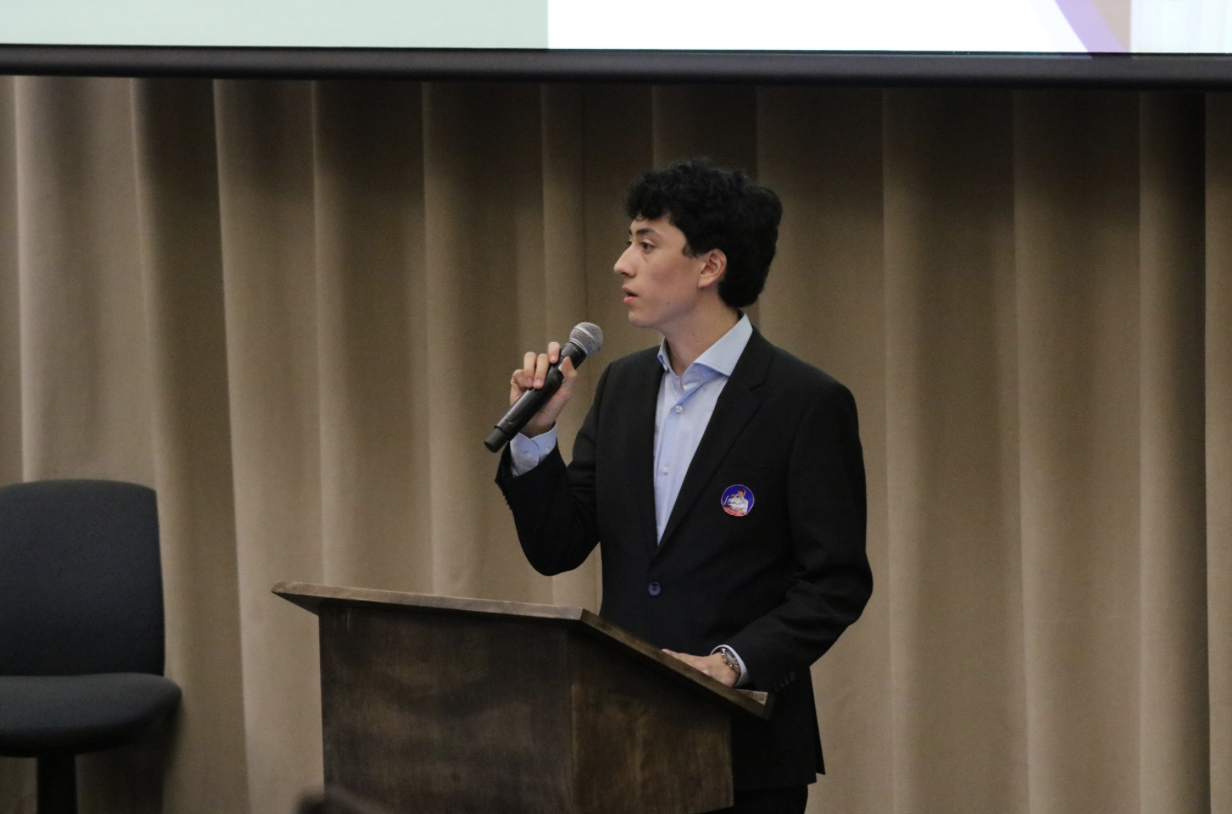
Thomas ‘30 (photo credit: Penelope York)
Ruby Yates ‘30 (Class President) wants to make SGA more accessible, add a parliamentary pro handbook for students who don’t understand SGA as much, and wants to know her students. She is also interested in having a friendship with her community and will speak up for everyone. When asked if SGA should be paid, she said yes to SGA being paid because of the time commitment, but in general, no.
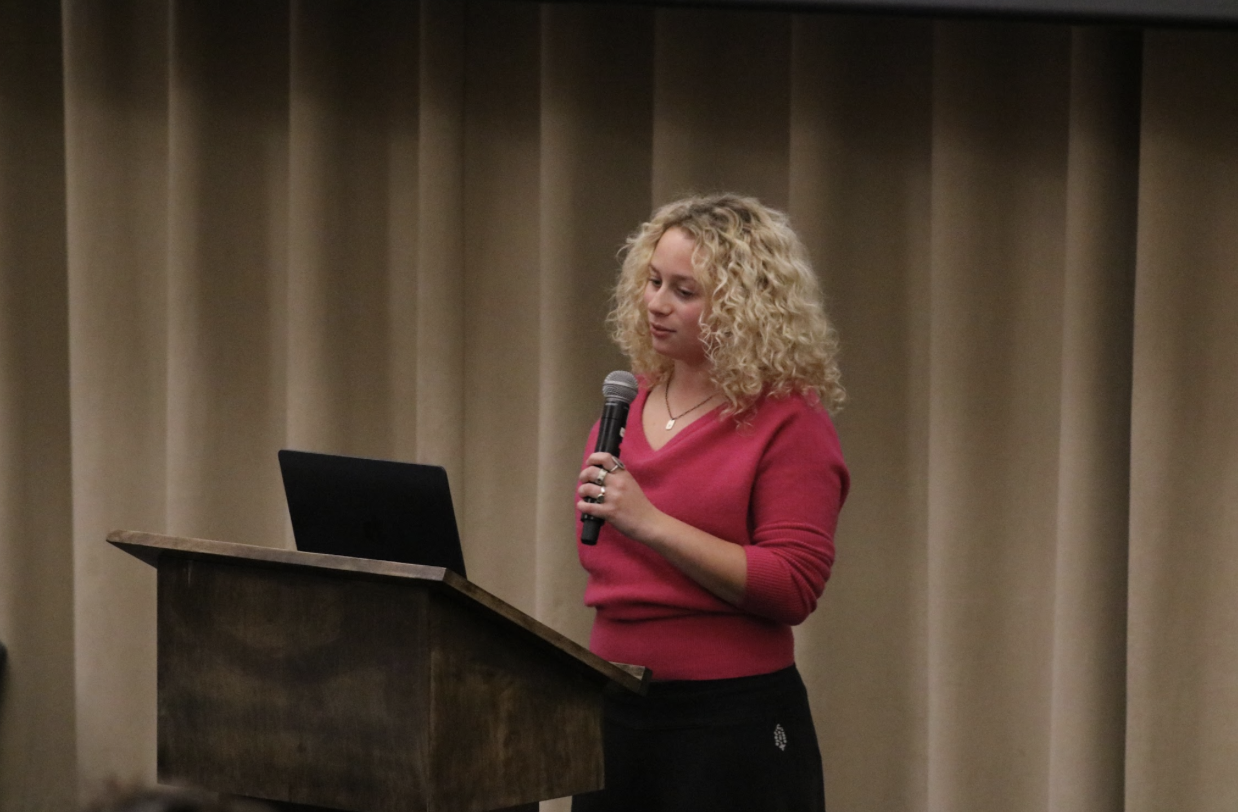
Ruby Yates ‘30 (photo credit: Penelope York)