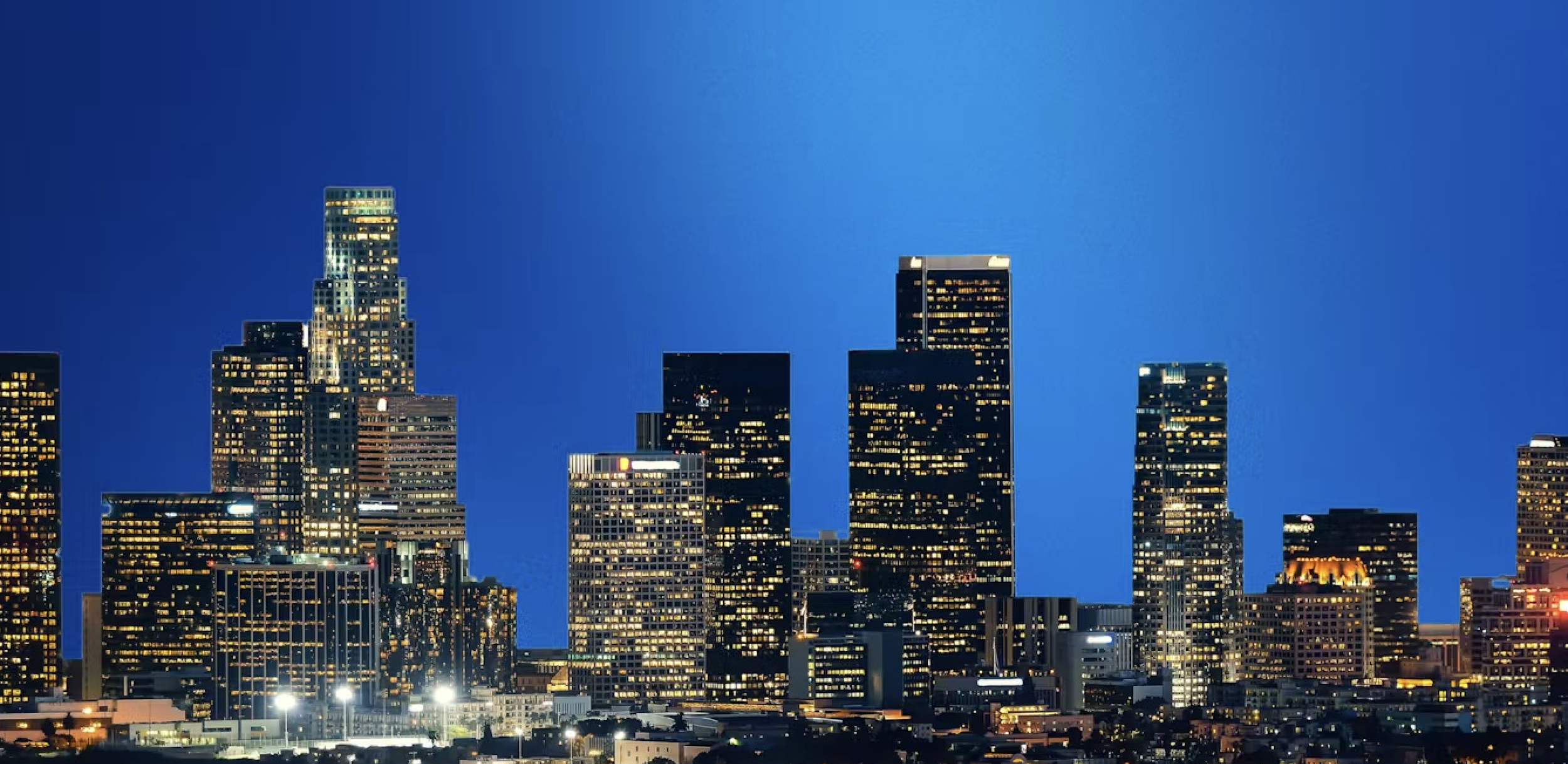
In Marvin Gaye’s 1971 song Mercy, Mercy, Me (The Ecology), Gaye sings, “What about this overcrowded land / How much more abuse from man can she stand?” Gaye was tapping into a flourishing environmental movement of the ‘70s, inspiring a movement demanding a celebration of the Earth and its abundant resources. This movement eventually turned what we now know as Earth Day into a global event, first occurring on April 22, 1970. Following this, former president Richard Nixon established the Environmental Protection Agency (EPA) via executive order on December 4, 1970, and further amended the Clean Air Act of 1963 to prevent continued air and water pollution. Subsequent environmental statutes were established, such as the Clean Water Act of 1972 and the Endangered Species Act of 1973.
According to environmental law scholars J.B. Ruhl and James Salzman’s article “The Greens’ Dilemma: Building Tomorrow’s Climate Infrastructure Today," these efforts have had a significant impact, as nearly every major air pollutant has decreased significantly since the 1970s. Ruhl and Salzman argue these regulations are part of a larger “Grand Bargain” between environmentalists and developers, where “in exchange for greater environmental protection, major infrastructure projects…now had to undergo an extensive and complex array of environmental assessment and permitting programs to ensure environmental goals were integrated.” While this bargain has resulted in a cleaner environment, Ruhl and Salzman argue that these statutes also prevent climate infrastructure, stating, “laws designed to slow and stop traditional infrastructure can equally slow and stop environmentally beneficial or ‘green’ infrastructure.” Because these environmental statutes are based on laws from over fifty years ago, they do not account for the new climate initiatives such as net-zero decarbonization. These are liberal environmentalist statutes made five decades ago that get in the way of liberal clean energy initiatives designed to deal with current climate issues.
These climate projects face major opposition from “Not In My Backyard” (NIMBY) organizations and environmental groups, who are concerned about wind turbines changing their landscape and private or public properties. Today, attempts to build major infrastructure, whether it be climate infrastructure or housing, must go through a large number of environmental statutes and ordinances to begin construction. But unlike the 1970s, when these environmental laws were justly responding to the pollution, overcrowding, and overbuilding that Marvin Gaye deplored, in the 2020s, there is a shortage of housing being built, and the process behind building is constrained.
This is where the “Yes In My Backyard” (YIMBY) movement has come in. This movement is a pro-housing movement that encourages new housing and urban development, opposes density limits, and supports public transportation. It began in the 2010s in the San Francisco Bay Area in response to California’s housing affordability and shortage and has since spread across the United States to local, state, and national politics in sharp opposition to the NIMBY movement. Organizations such as Open New York and New York YIMBY focus on new development in the New York metropolitan area and the five boroughs of New York City. These organizations also have attracted supporters of various political leanings, including liberals, free-market libertarians, and even environmentalists, who argue for land use reform to prevent continued development on Greenfield sites—land that has remained untouched by previous development—in favor of more housing being built in dense cities.
This movement has recently become mainstream at the national level. In his March 2024 State of the Union Address, President Joe Biden announced a plan to build and preserve more than 2 million homes and use antitrust law against landlords. During the 2024 election, Kamala Harris stated, “A serious housing shortage is part of what is driving up costs. So we will cut the red tape and work with the private sector to build 3 million new homes and provide first-time home buyers with $25,000 down-payment assistance so you can just get your foot in the door.”
Even in the aftermath of Harris’s loss in the election, there have been continued efforts on the state and local level to encourage building housing. In Cambridge, Massachusetts, new ordinances have been passed that have ended single-family zoning and allow six-story residential buildings.
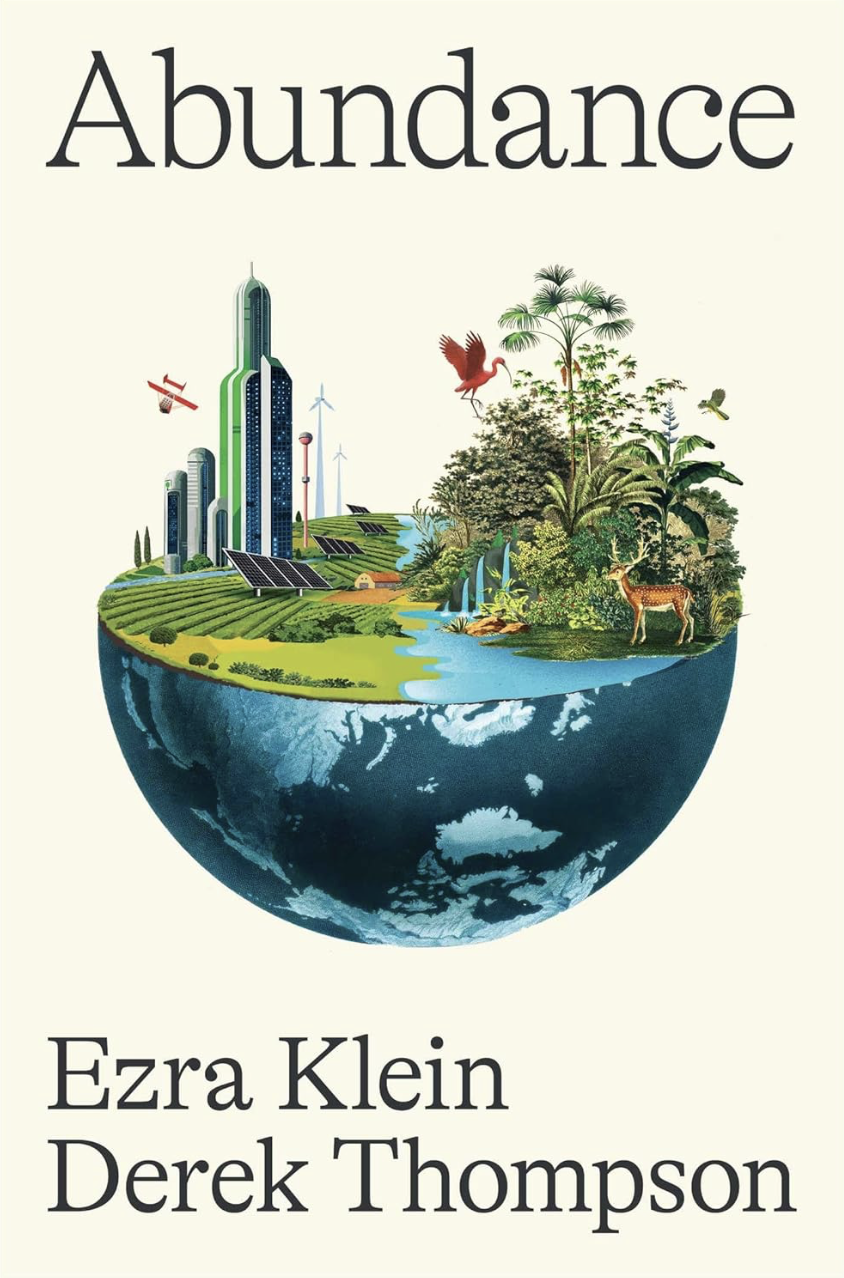
The cover of Abundance, by Ezra Klein and Derek Thompson, published in 2025. Image courtesy of Amazon Germany.
The recent 2025 book Abundance, by Ezra Klein and Derek Thompson, runs parallel to this movement. The authors make the case that well-intentioned regulations in liberal cities have constrained development and led to high housing costs in democratically governed states such as California. Klein and Thompson argue that voters in liberal states are often “symbolically liberal but operationally conservative”, meaning that liberal voting communities that present liberal ideals through lawn signs such as “Kindness Is Everything” and “No Human Being Is Illegal” are the same communities that are zoned for single families and organize against adding new affordable homes. I have personally seen this in my hometown of Hamilton-Wenham, where state efforts to build affordable housing near our train station for commuters have run into pushback from officials in the area.
Klein and Thompson argue that to build more housing and green infrastructure, “What is needed is a change in political culture…liberalism acted across many different levels and branches of government in the 1970s to slow the system down so the instances of abuse could be seen and stopped. Now it will need to act across many different levels and branches of government to speed up the system.”
The authors argue that by focusing on achieving results rather than making the processes around development more complex, liberals can govern better. This requires speeding up the processes by cutting through unnecessary regulations so more clean energy infrastructure can be built. The YIMBY movement is an opportunity for people to unite around the worthy aim of providing affordable housing for more people who need it, and ensure that clean energy initiatives, such as solar and wind plants, are also able to be built. In liberally governed states such as New York, where housing costs are so expensive, this movement has the potential to unite young people around a common goal and improve how the government delivers for low-income communities.