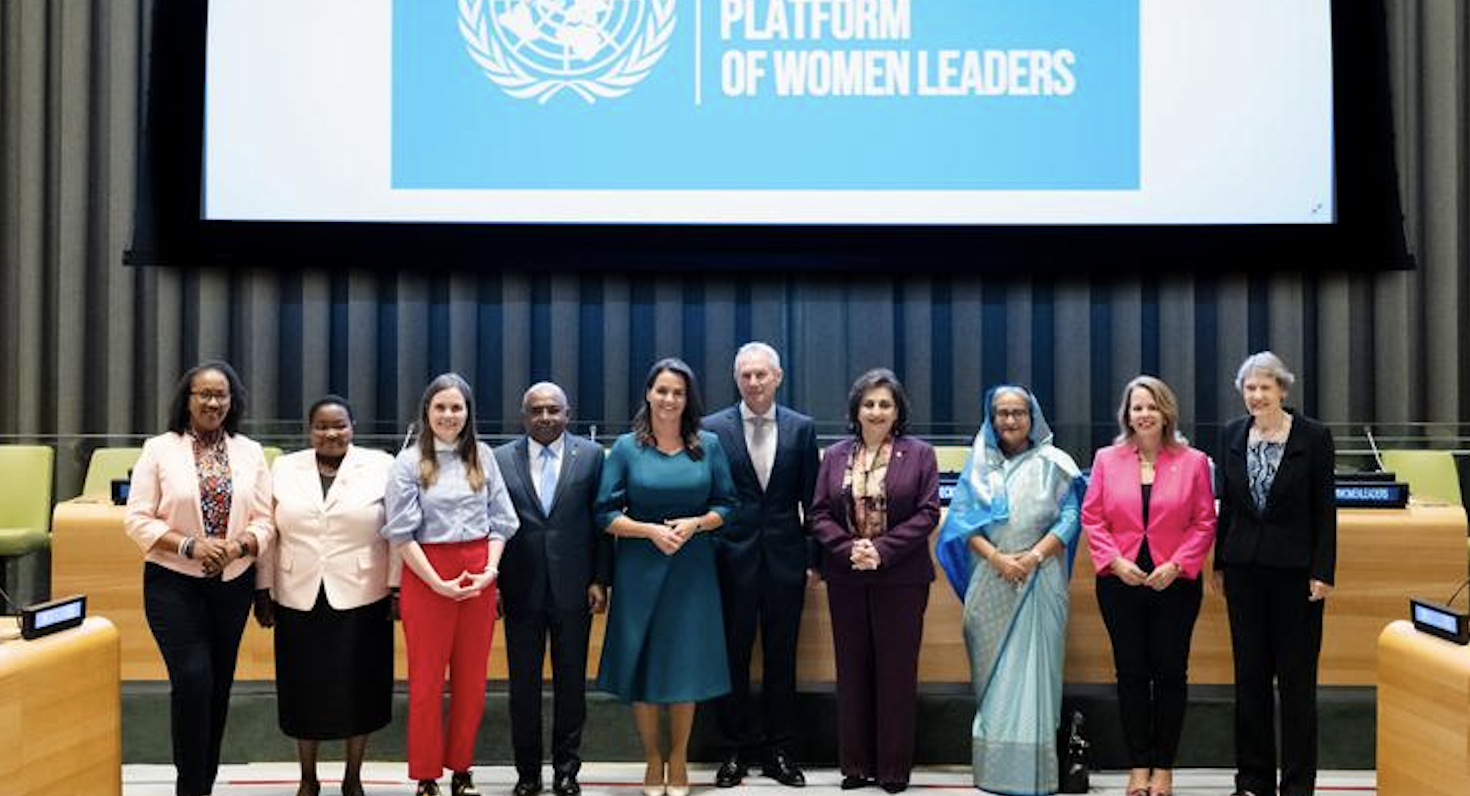
Recently, the United Nations voted to reaffirm a resolution supporting global women’s rights, a decision that was prompted by severe global backlash against gender equality, as reported by UN reports in 2025 and 2026. It passed with 37 countries in favor, 1 against, and 6 abstentions. These Agreed Conclusions strengthen access to justice for all women and girls, protect against violence and abuse, advocate equality, and prevent future violations. This vote calls for governments to amend and review discriminatory laws such as property rights, child marriage, and family law. The conclusions also include adapting to the rise of AI to ensure safety for women and girls.
The areas experiencing the most severe backlash against women’s rights are Afghanistan, the United States, Iran, South Korea, and conflict zones like Gaza, Yemen, and Ukraine. In Afghanistan, girls are banned from education beyond sixth grade, and women are barred from universities. Women are prohibited from working and are banned from public spaces and speaking publicly. The United States overturned Roe v. Wade, implemented strict abortion bans, and has ongoing policy changes limiting rights for transgender individuals. Iran continues to eliminate women’s rights and autonomy, particularly concerning mandatory hijab laws. South Korea recently pledged to dismantle the Ministry of Gender Equality and Family. The conflict zones cause an increase in conflict-related sexual violence. These crises cause a collapse in healthcare access, education, and physical safety for women and girls.
During the voting process, the United States representative Mike Waltz was the most skeptical of the Agreed Conclusions and offered eight different amendments that were all turned down. The main skepticism came from "ambiguous language promoting gender ideology,” “implying abortion rights,” and “censorship language on regulating artificial intelligence.” Initially, the United States attempted to amend the language of the text. As a result, 26 participating countries, such as Tunisia, Mexico, and Rwanda, were against the changes, and 14 abstained. This led to the United States being the only country to oppose the resolution, with countries like Egypt, Russia, and Saudi Arabia abstaining, isolating the United States in the final vote. Nonetheless, the measure was still passed.
The resolution reflects a broader international effort to address persistent inequalities and barriers faced by women and girls worldwide. The chair of UN Women, Sima Bahous, highlighted during the opening remarks, “women globally still hold only two-thirds of the legal rights that men enjoy.” While not legally binding, the conclusions serve as a framework for member states to guide policy and legislative reform. This result represents a rare break from global consensus. The vote highlights both progress and ongoing challenges in advancing women’s rights on a global scale, as well as a shift in women’s rights leadership.