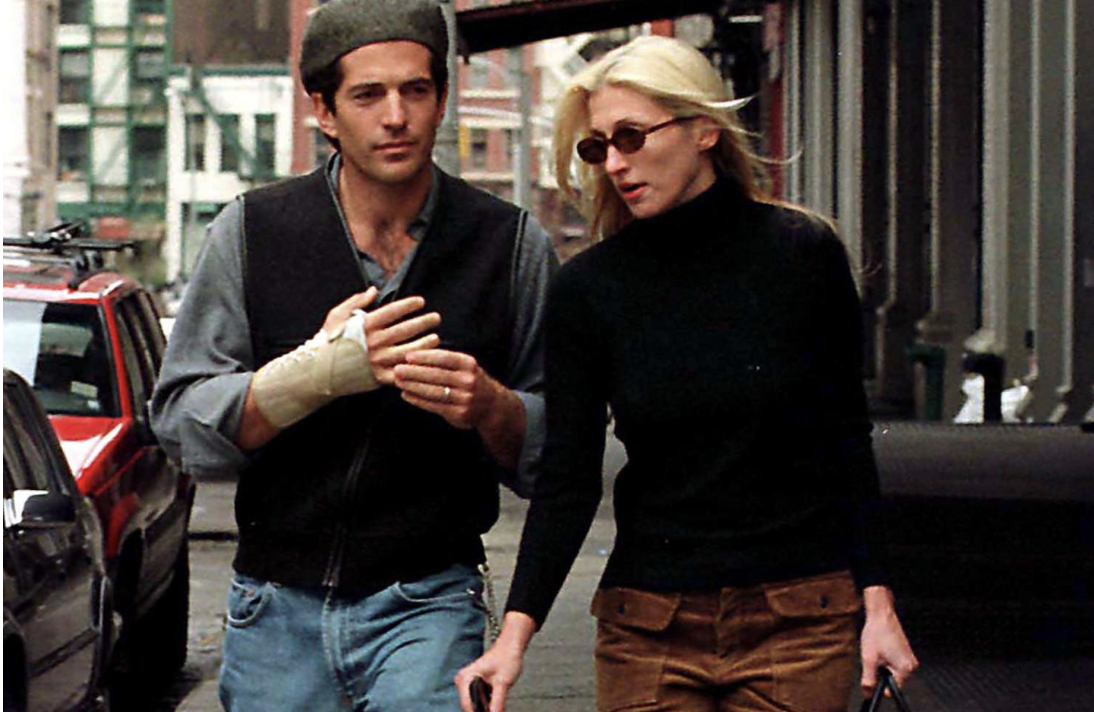
Ryan Murphy’s recent Hulu miniseries “Love Story” has revamped the public spectacle of Carolyn Bessette and John F. Kennedy Jr.’s relationship for a whole new generation. The show's release has sparked a wave of conversations through our current pop culture. In particular, the duo’s sense of style has been the catalyst for a recent resurgence in iconic 1990s fashion.
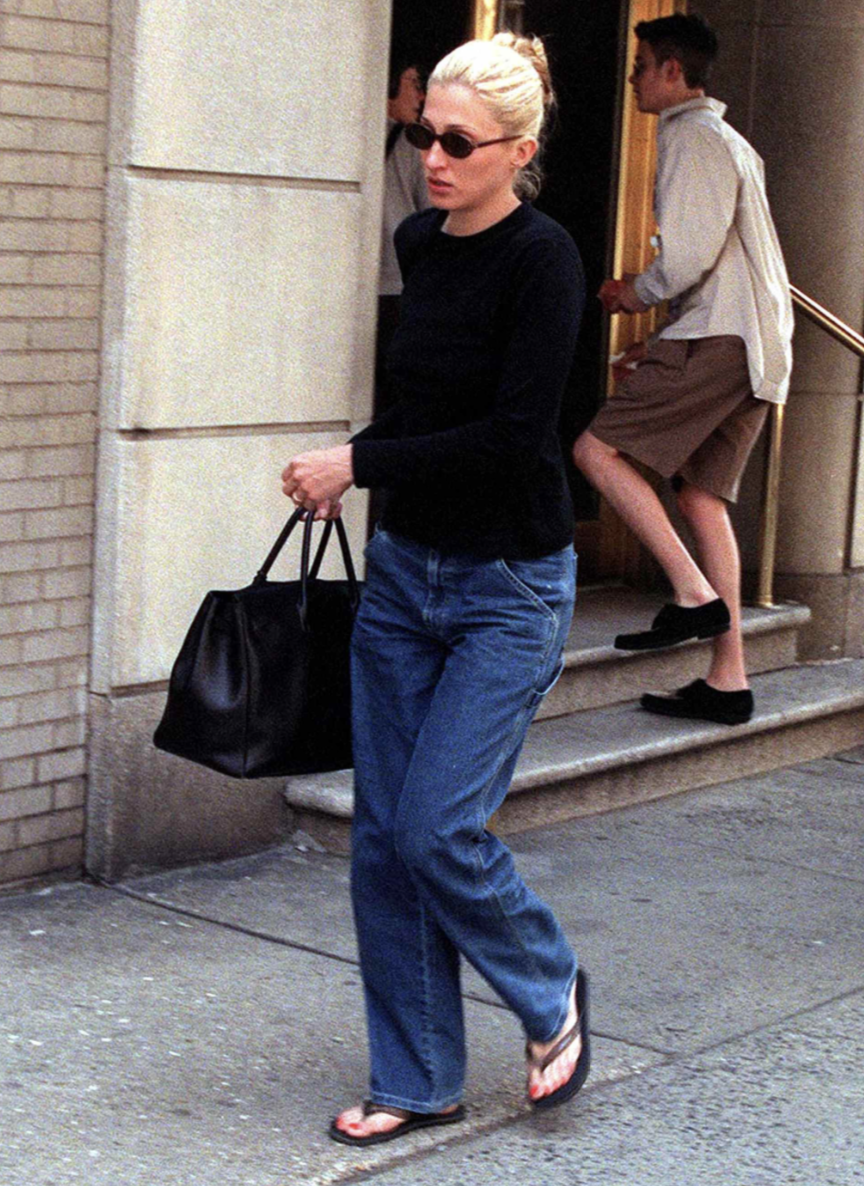
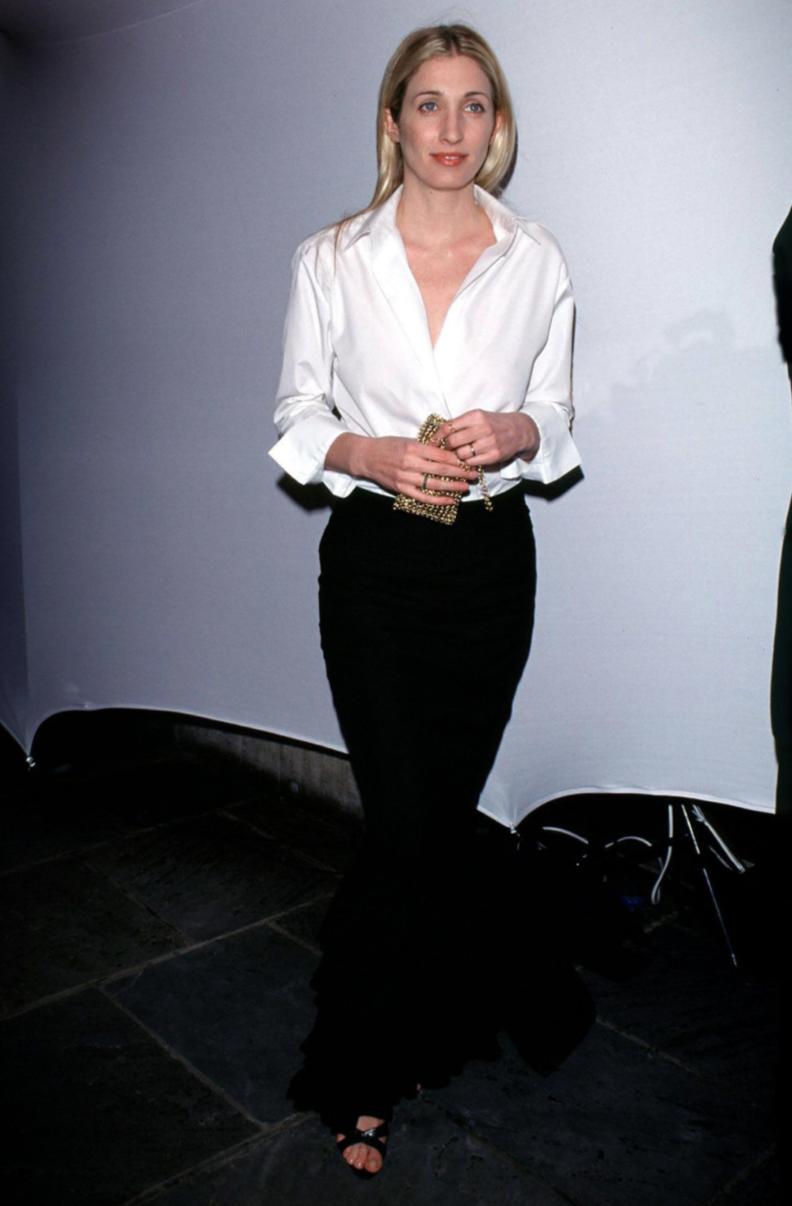
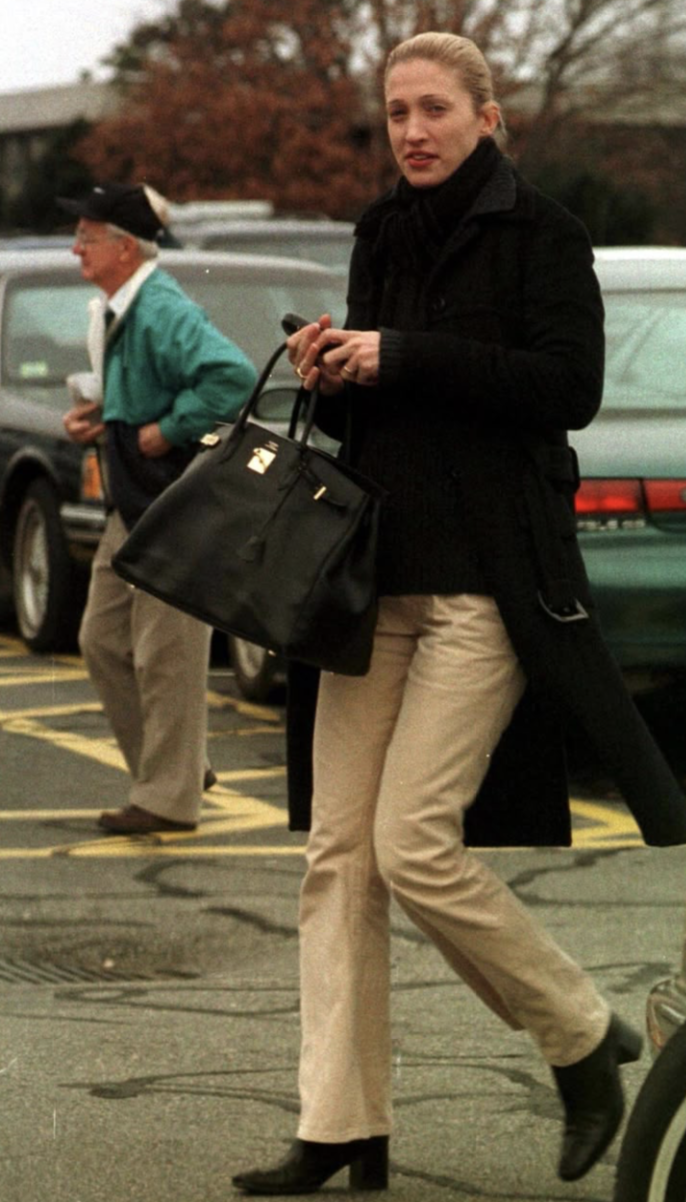
Bessette’s trademark pieces included black turtlenecks, corduroy pants, and oval sunglasses. Her effortless ‘cool-girl’ persona is a longstanding influence in fashion and has been recently revived by style gurus across social media. The Calvin Klein employee turned pop culture mogul was undoubtedly fascinating, and her chic working-woman style added to that alluring character the public was so eager to know more of. What was it about her clothing choices that were so specifically "Carolyn Bessette”? Her cable-knit sweaters and Levi jeans were just as commonly seen on any other woman in Central Park, not to mention Bessette herself has never claimed to have pioneered her style. Still somehow, she is credited for a whole look named after her.
JFK Jr.’s casual style was all university hoodies, vibrant athletic shorts, and backwards hats. His clothing choices reflected his laid-back, all-American persona. He often blended the preppy with the casual and became a frequent trendsetter for men's fashion. However, he also mirrored the styles of others. Upon the show’s release, Instagram user @adamecrossbwy made a reel spotlighting Black men of the 1990s who pioneered the same style as JFK Jr. without receiving rightful recognition. He lists public figures like Denzel Washington and Kadeem Hardison, who were the first to incorporate Kangol hats into streetwear before JFK Jr. wore them. It’s fair to say JFK Jr. cannot truly be named a risk-taker in fashion when there were people years before him pushing stylistic boundaries and creating a new culture of fashion. It also highlights how art, culture, and fashion are often taken from Black creators and commercialized without proper credit. For example, nearly all major American music genres, including jazz, blues, country, rock, and EDM, originated from Black music; however, Black artists are underrepresented in industry leadership and awards.
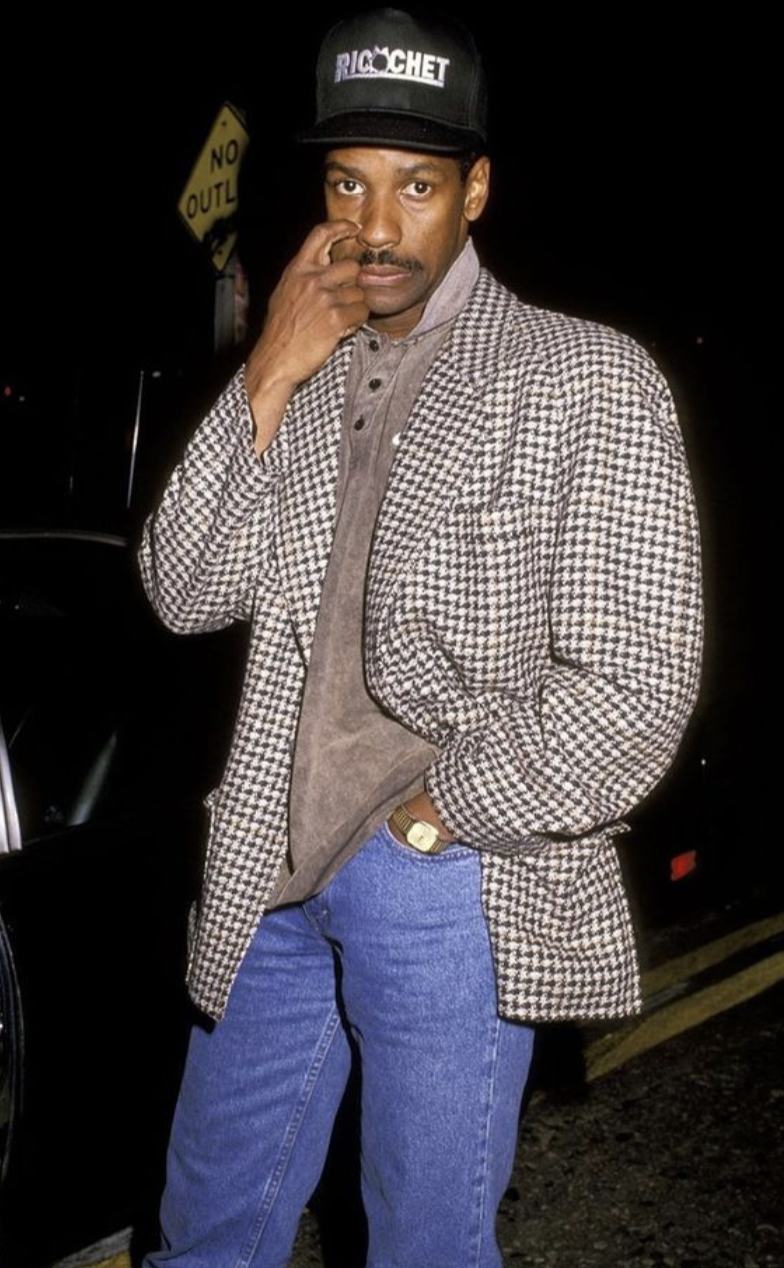
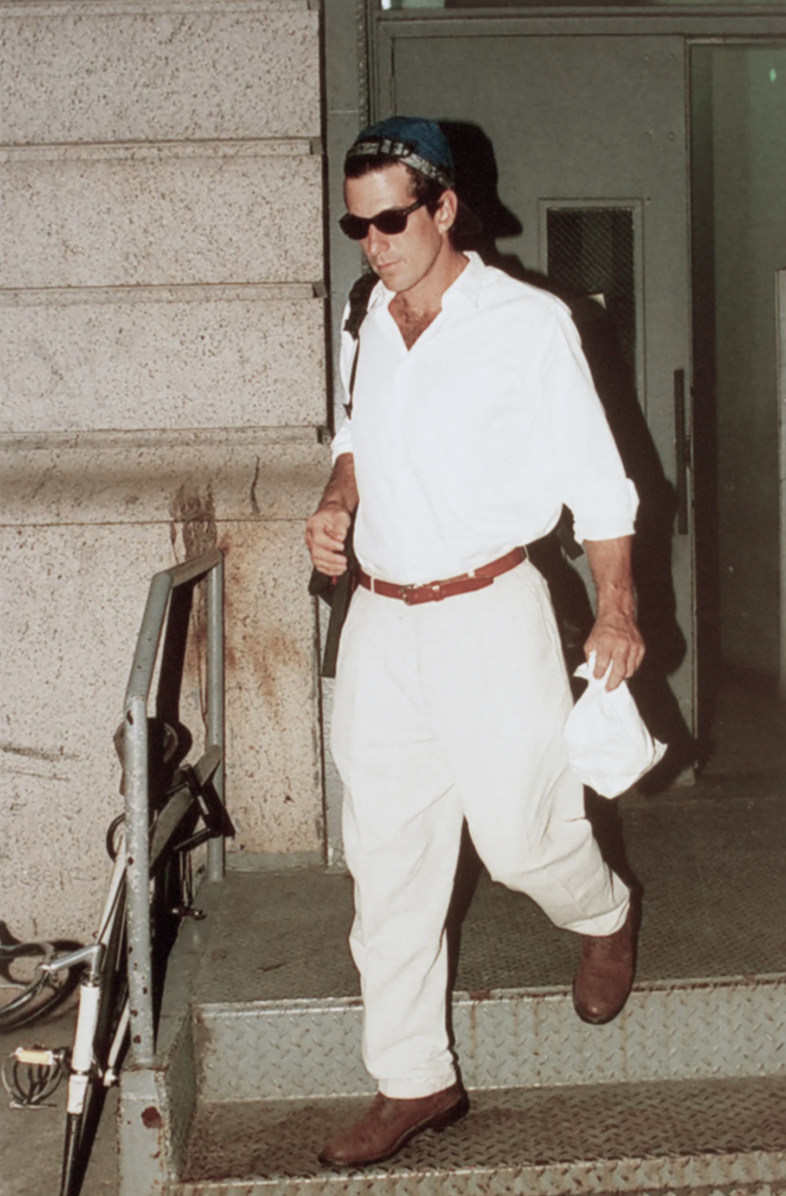
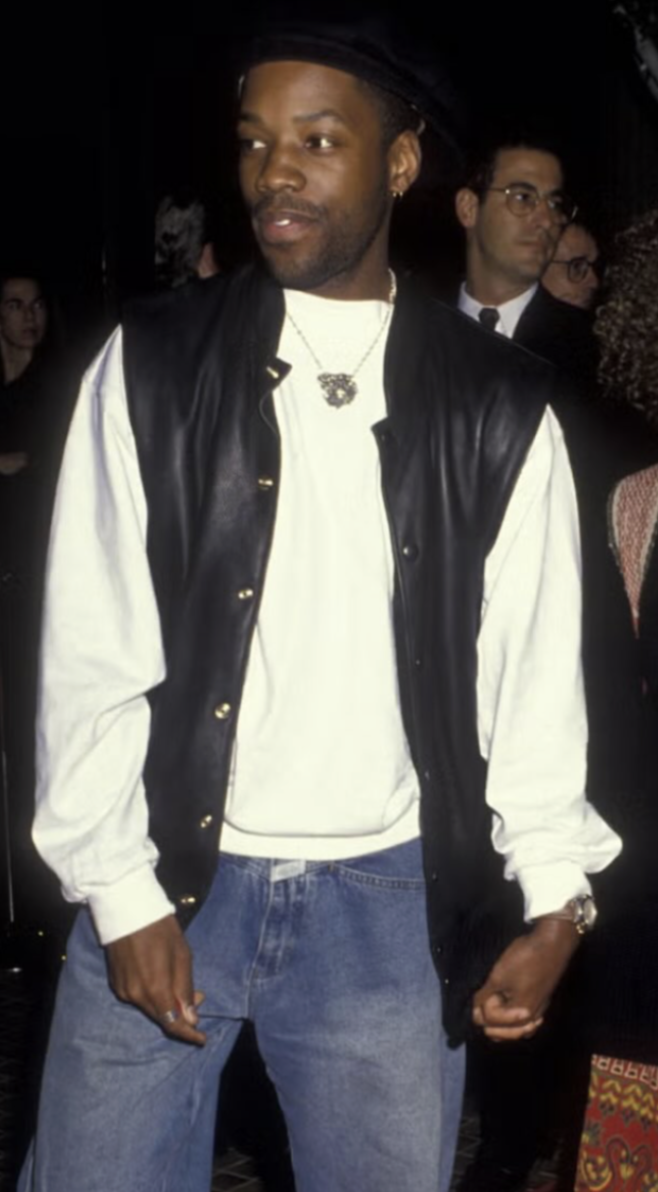
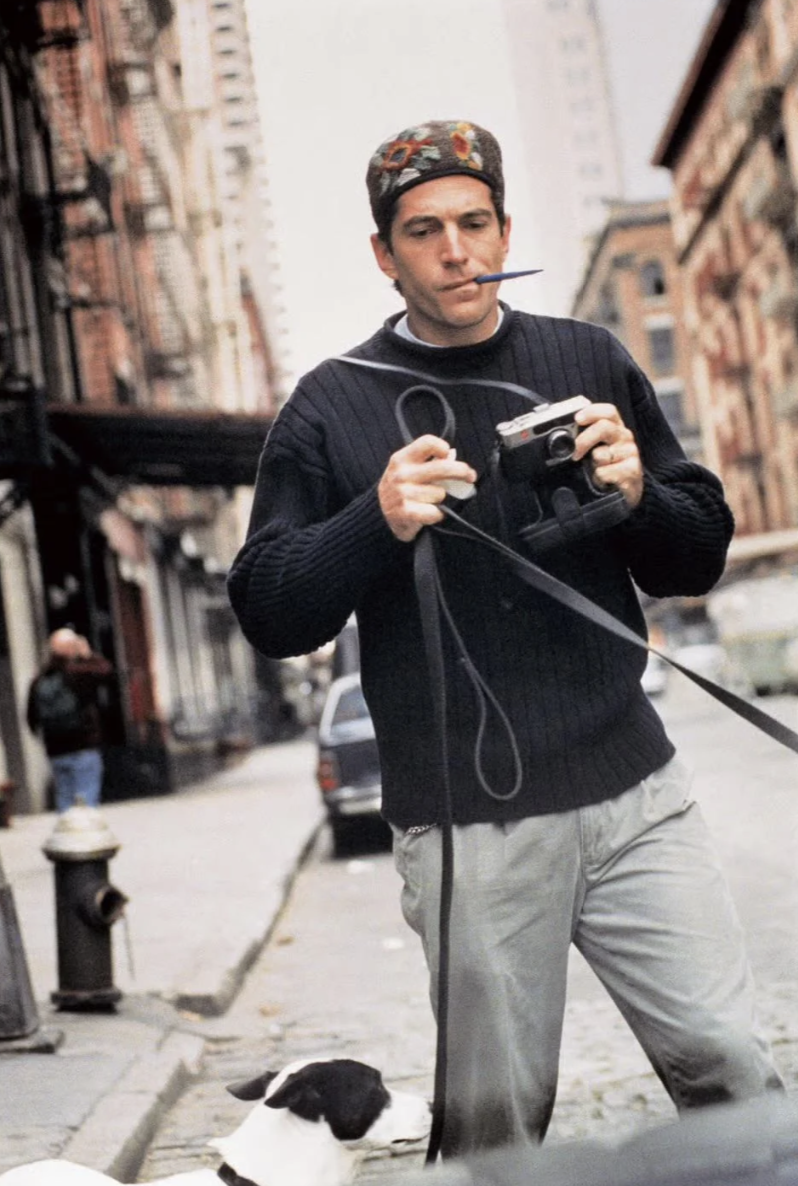
The styles of these individuals stem from their occupations and personas. Bessette worked in public relations at Calvin Klein. She was given a closet of their products to wear, which isn’t too different from what influencers do today. Many of her choices in her style were, henceforth, a part of her job. JFK Jr., on the other hand, used his ‘chill guy’ look as a tool of accessibility in a political world. His swagger and apolitical attitude differentiated him from the rest of his relatives and made him more relatable. His status as a “sex symbol” also differentiated him from the Kennedy name, and the public took him less seriously as a political figure.
In all consideration, however, it’s not the style that makes their outfits so interesting—it’s the people in them. This fixation on Bessette’s and JFK Jr.’s styles is a product of their pop icon statuses. No matter what they wore, people would be talking about it. But importantly, JFK Jr. and Bessette had the economic means and social connections to tailor these pieces to fit them perfectly. What may seem “effortless” to the public is fitted especially for them. Their white shirts and jeans are not the same ones we can find at Old Navy, and that’s part of what made them so exclusive and elegant—a major element of the Kennedy brand. More importantly, the average American can’t hope to afford the level of luxury and personal tailoring that this couple had access to, and yet we try anyway.
In society, there will always be an urge to mimic others of popularity and status; we strive to be like them. We hope to appear as attractive as Bessette and JFK Jr. by mimicking how they dress and, in extreme cases, mimicking their lifestyles or personalities. On paper, there’s nothing wrong with that. Fashion in particular is a longstanding, fluid expression that is most times built off the inspiration of others. But do influencers need to promote certain styles, even if they aren’t original? Or should we instead use these existing styles to develop ones of our own?
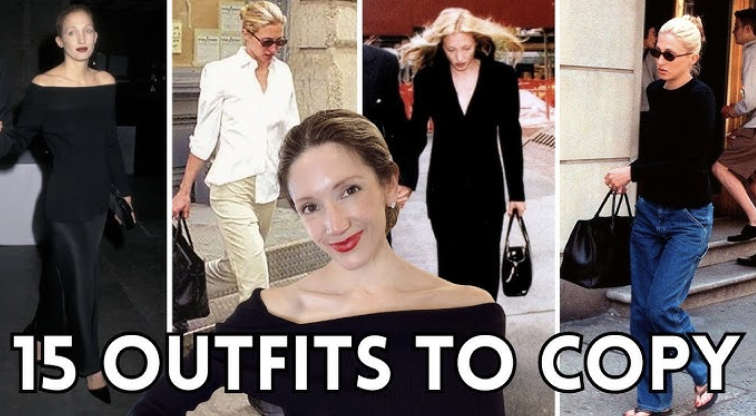
In the evolution of culture, trends and fads from the past are often revived. It is undeniable that 90s New York City streetwear has been increasingly popular within the last few weeks. In connection with the show, TikTok users and Vogue alike have been dishing out the best links and tips to dress like the fashionable, historic couple. There’ve even been ‘JFK Jr. lookalike’ competitions held in a handful of cities, proving just how infatuating their appearances are to modern audiences. This is a pattern we’ll undoubtedly see again and again in pop culture. But as members of the audience, we have a responsibility to handle our interpretations with care. We need to question where these trends come from and understand their historical importance, giving credit where credit is due. And perhaps for ourselves, we should work to find our own identities outside of influencers and pop sensations. When will we seek to become more of ourselves rather than more of someone else (and continue to mangle our personalities and wallets in the process)?