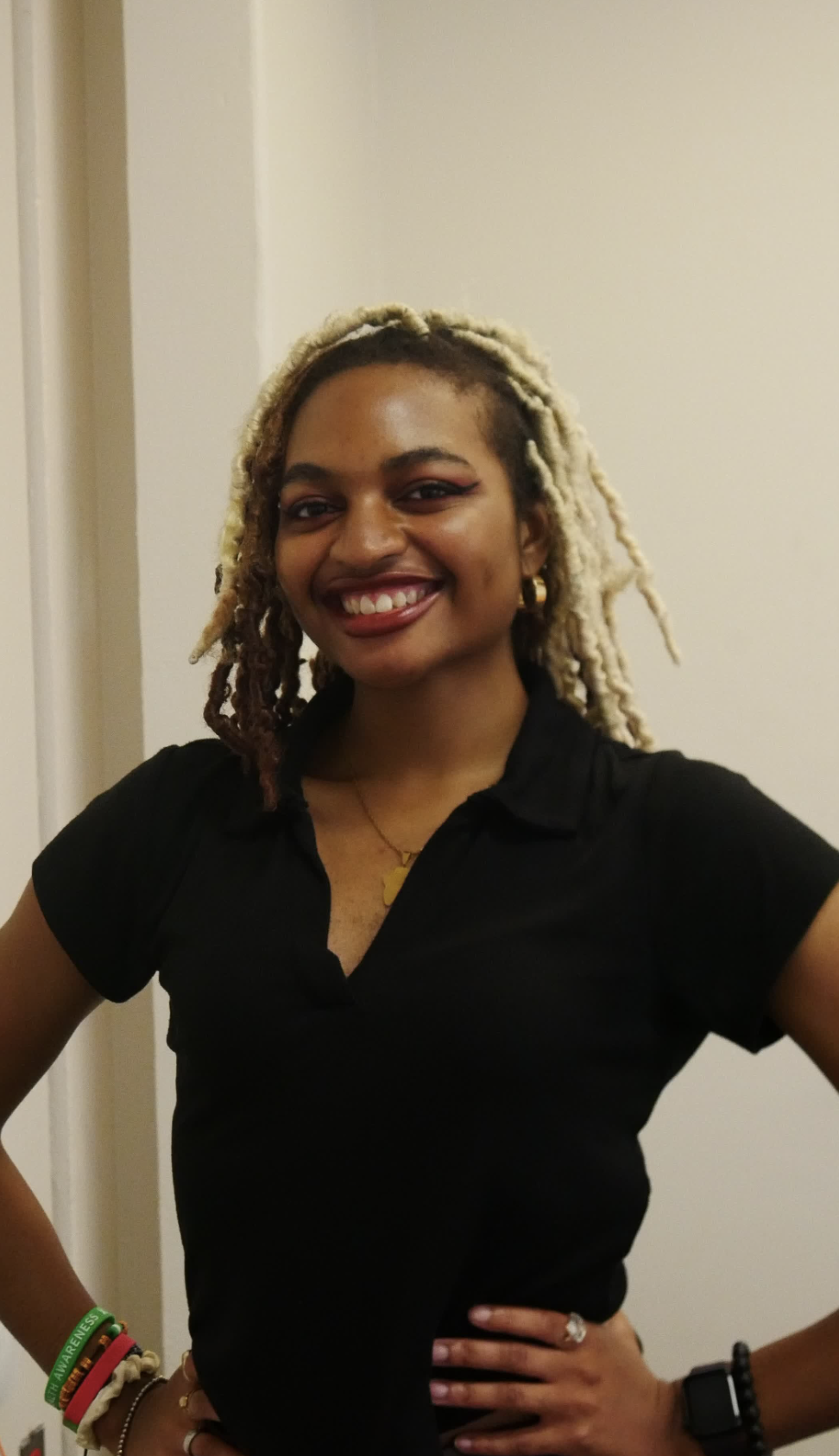
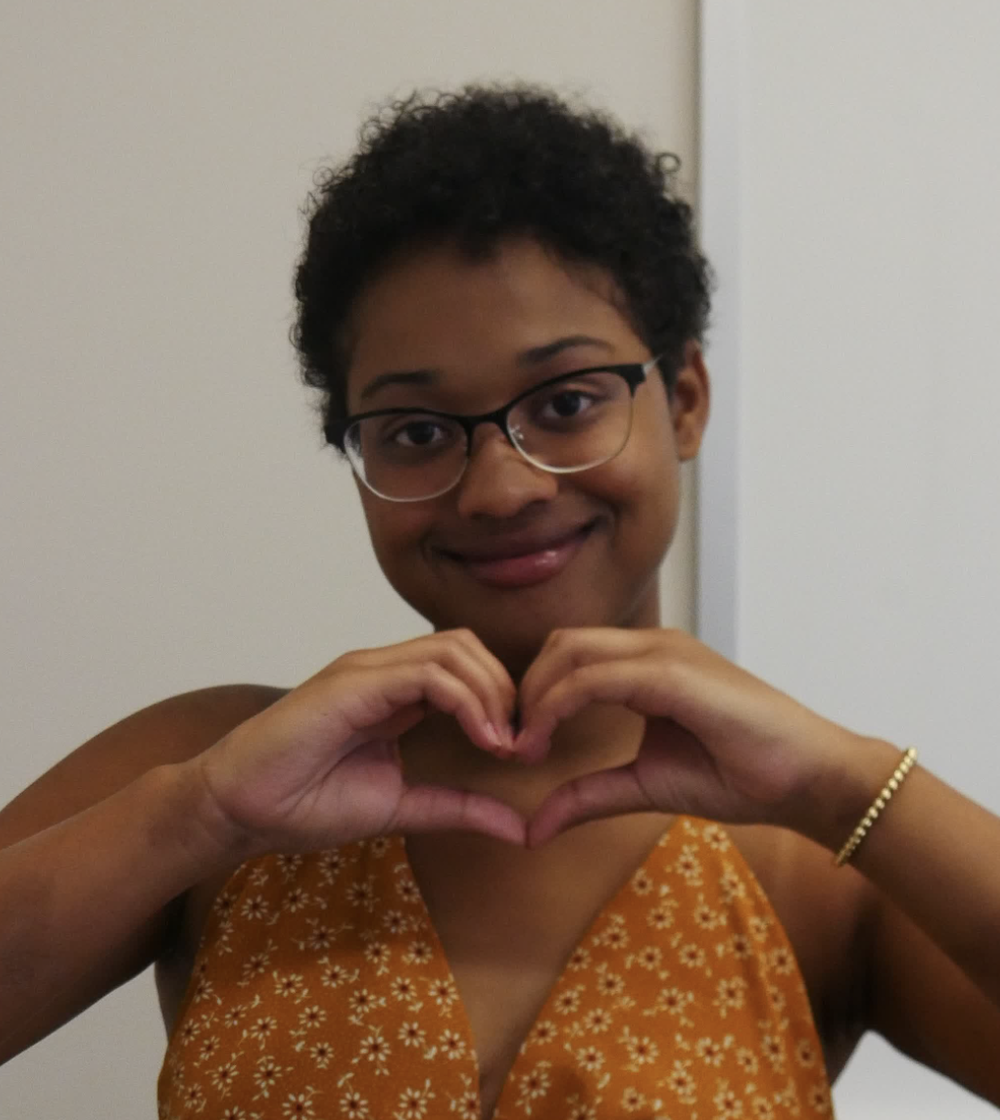
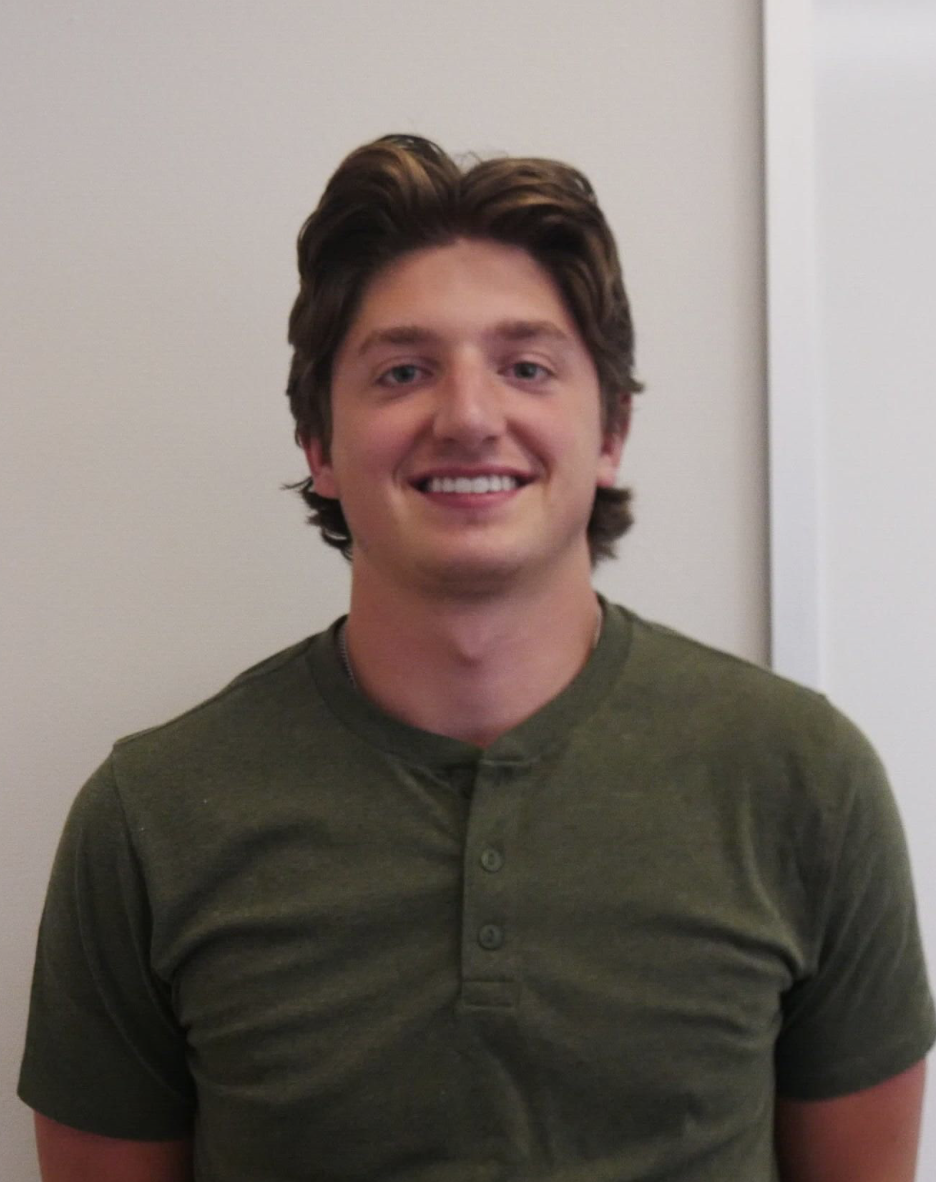
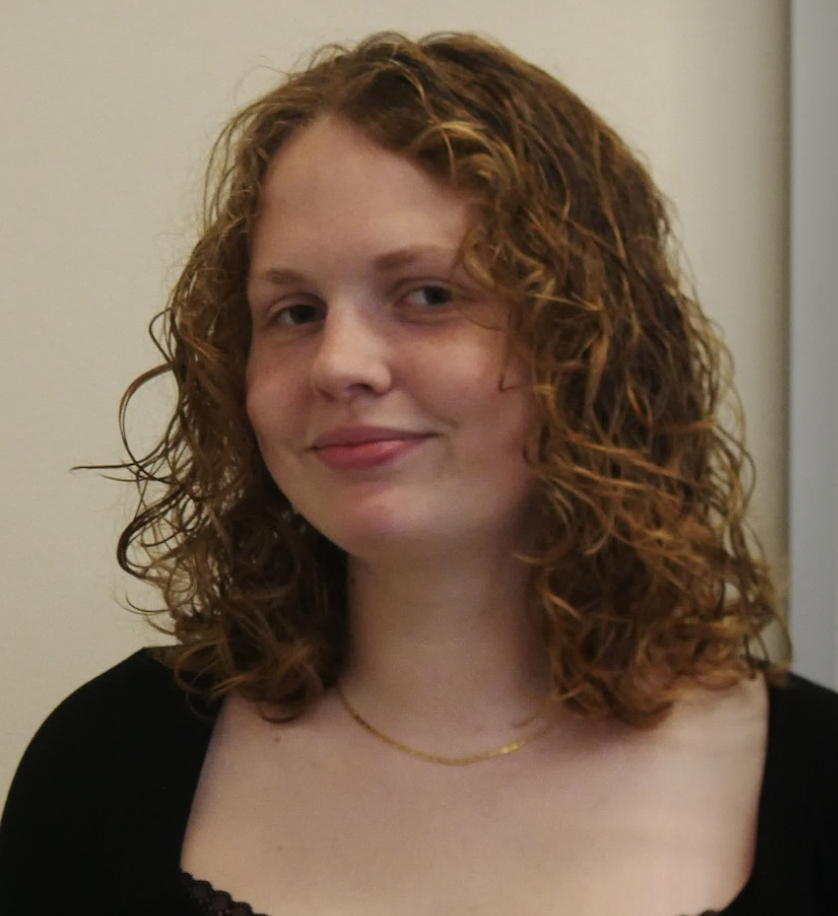
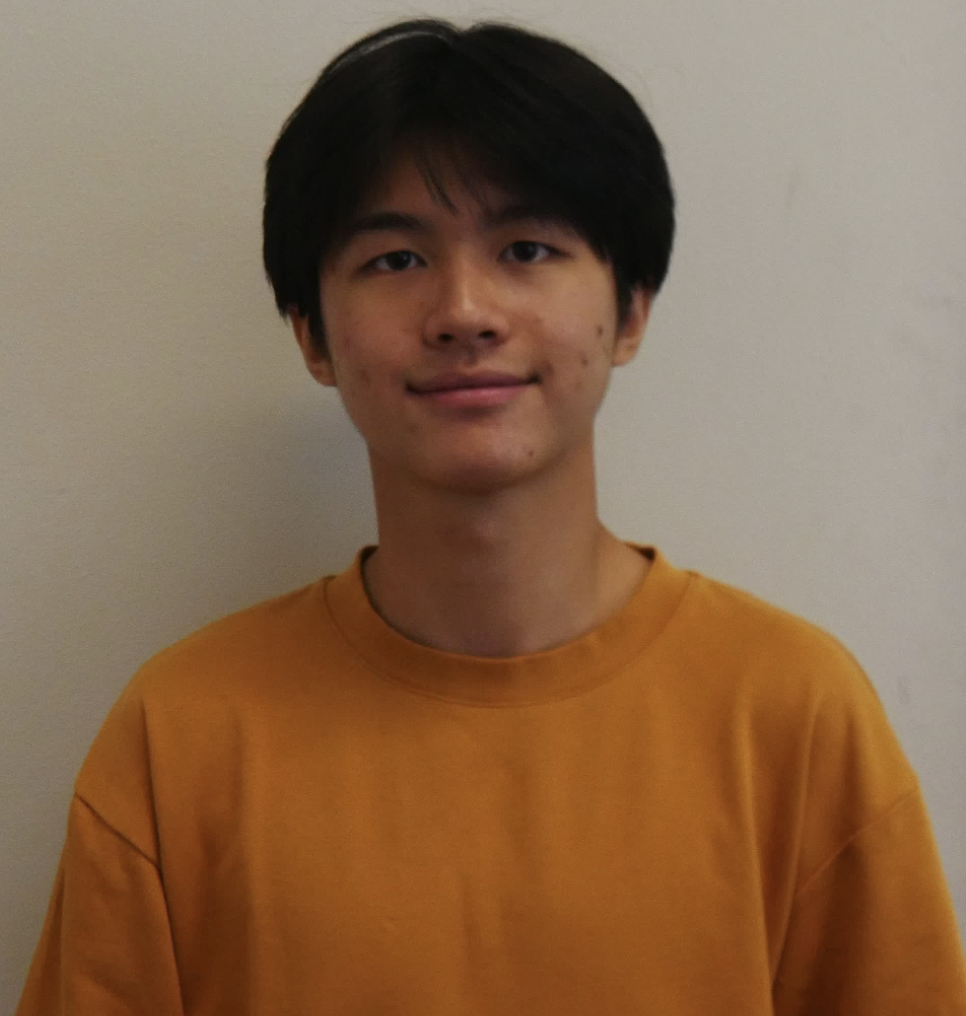
Images courtesy of Jojo Fofana ‘29.
The following interviews were conducted by Jojo Fofana ‘29, for The Skidmore News as a way for the student body to understand the platforms and goals of their future representatives. Please note that not all candidates that ran were available for an interview, and as such, are not featured in this article.
As of Sunday, September 21st, the election winners are the following
Junior Senator: Zara Nwosu ‘27
First-Year Class Presidents:
Dajah Taylor ‘29
Bryce Terry ‘29,
Austin Zhang ‘29,
Soraya Gordan ‘29,
Billqis Nambane ‘29
To introduce themselves to the student body, candidates participated in speech night, when they can showcase their skills and give students a sense of their leadership abilities. SGA speech night began with a quick introduction by SGA President Samantha Majiedt, who explained the format of the night and introduced each candidate. Each speech was one to three minutes long, with a subsequent Q&A by members of the audience.
Q: So what made you “swipe right” on student government - and why now?
Zara Nwosu: I actually ran for Senate last year as a sophomore, but unfortunately, I didn’t get the position. However, I’m trying again this semester because I’m really passionate about advocating for students.
Soraya Gordan: What made me swipe right is that I really want to create meaningful change for the people. Coming from several marginalized groups myself, I believe it’s important to ensure our voices are heard in this community. I want to increase inclusivity, boost engagement, and be someone who truly listens and communicates. I want to improve transparency and be someone who looks out for the “little guy.”
Bryce Terry: I’m incredibly excited for this opportunity to serve and give back. My guiding motto is: “Lift while you climb.” That means as we begin our journey here—this four-year climb up the mountain of college—there will be moments when we’ll need someone to give us a hand. And there will be moments when we’ll be that person, reaching out to lift someone else up. That mindset of mutual support, growth, and community is what inspired me to step up and run.
Catalina Carr: I've always been interested in student government, especially at Skidmore. I remember meeting Samantha on my first day — she was so approachable, and you could tell she had influence. That really inspired me. Plus, friends kept encouraging me to run. They said, “You’re proactive, you go for what you want, and you actually get it done.” And I talk to a lot of the freshman class already, which I think is a big plus.
Austin Zhang: Hi, everyone! My name is Austin, and I’m running to be your class president. I’m not doing this for the title or accolades—I’m running because I want to make this year the best it can possibly be for all of us. I understand how difficult the transition into college can be, especially during the first year. I believe that change shouldn't wait—it should happen now. That’s why I’m focusing on improving events, food options, and prioritizing student mental health.
Q: Beautiful. If the school were your date, how would you summarize yourself?
Zara: I’d say I really want to get close to the student body, especially because I believe I can do more for them. I want to support students in a “help me help you” kind of way. There’s so much potential here, and I want to grow with the community—through new initiatives, by spending time with students, and getting involved in the things they care about.
Soraya: Hmm, that's tough. I’d say: I'm someone who values transparency, communication, and community above all else.
Bryce: I’d introduce myself as “a curious spirit, full of joy and courage.” Because I believe each day is an opportunity to grow, learn, and reimagine who we are. That takes curiosity to seek out new experiences, and it takes courage to step into the uncomfortable
Catalina: I’m Catalina, I have two cats, a little sister who’s the light of my life, and I’m a deeply empathetic person who loves connecting with people.
Austin: I’d say, "Hi, my name's Austin. It's so lovely to meet you," and let the conversation naturally flow from there.
Q: What’s your favorite food?
Zara: Oh—don’t make me think too hard! Jollof rice.
Soraya: Oh, that’s hard! I really love food. But I’d probably say sushi—maybe a spider roll or a volcano roll. Top tier.
Bryce: Steak. It’s consistent, comforting, and reminds me of home. Especially the way my parents cook it—with A1 sauce and caramelized onions. Can’t beat that.
Catalina: Filet mignon — medium rare. That’s the only right answer.
Austin: That’s a tough one because I love trying new things. But if I had to choose, I’d say sushi. I’ve really been missing it since coming here. Sushi has so many layers and flavors—it reminds me of people. Just like sushi, we all have different hobbies, interests, and personalities bundled into one. Every bite is a surprise, just like every person you meet.
Q: And what are your policies or ideas—specifically?
Soraya: I’m focused on increasing inclusivity. Even though Skidmore is a small campus, many students still feel isolated. I want to create opportunities for connection and belonging. I also want to improve transparency. Too often, things happen on campus—like when Jo lost hot water—and no one knows what’s going on. I want the school to clearly communicate when there are issues, what’s being done, and the expected timeline. People shouldn’t have to find out from their friends or mid-shower that something’s broken.
Bryce: One idea I love is creating a “time capsule” project—maybe writing letters or filming videos addressed to ourselves as seniors. We’d bury or save them, then look back four years from now to reflect on how far we’ve come. But more broadly, my “policy” is about service: finding meaningful ways for students to give back and connect. That might include volunteer projects in Saratoga, or initiatives here on campus that come directly from student ideas. I’m here to be a platform for your voice, not just mine.
Catalina: I’ve been talking to students in disability-focused organizations, and I’ve heard how poor the communication is between those clubs and SGA. That needs to change. If we’re not connecting with groups focused on serious, real-world issues — like accessibility and inclusion — then what are we even doing?
Q: Yes! I love it. Okay, now we're getting into the main course—no fluff. You've just been elected. What are your priorities in your first 100 days?
Zara: First, I want to thank everyone who supported me—I wouldn't be in this position without them. Then, I want to get to work immediately and assess what needs to be done. My main focus is on securing, sustaining, and improving DEI (Diversity, Equity, and Inclusion) initiatives, as well as enhancing mental health resources. Skidmore is a melting pot of different cultures and backgrounds, and we need to reflect that in our programming—by bringing in diverse speakers, supporting student-led clubs, and ensuring everyone feels seen and supported, not just like a number.
Soraya: The very first thing I’d do is speak to the people. Before making any decisions or pushing for change, I need to understand what the students actually want. My ideas may not align with theirs, so it’s important to connect directly with other first-years and find out what matters most to them. Some people don’t have as much of a voice, whether it's due to systemic barriers or social dynamics. Certain groups are often left out of conversations—especially in student government. I want to be the person who actively listens to them and relays their concerns so they’re not overlooked. In regards to getting SEC more involved with the student body: they don’t usually attend SGA meetings and I’d go to them directly. I’d reach out to the Vice President and SEC members to collaborate. I’d help promote their events through SGA social media, support them with funding if needed, and make sure our efforts align. I’m not here to take over—I want to amplify their work while also pursuing separate engagement initiatives.
Bryce: My main question will be: “How can we serve?” I want to bring our class together as a team and identify the unique skills and passions each person brings. Then use those to serve our class, our school, the Saratoga Springs community—and even beyond. That’s the kind of energy and impact I’m excited to help lead.
Catalina: I’m cautious about making big promises before I fully understand the power of the position — but there are things I absolutely want to push for:
Laundry machines: As someone in Mac, I can tell you — they’re constantly breaking, and nothing gets fixed properly. I want a permanent solution.
Freshman events: The energy is huge in week one, but it dies off fast. I want consistent, low-key events — like movie nights or socials — throughout the semester when people are more comfortable and ready to connect.
Accessibility: This is personal. A friend of mine — possibly the only wheelchair user on campus — literally can’t access most buildings. He has to live in an apartment because no dorms are accessible. How is that okay?
Austin: First things first, I’d record a thank-you video to show my appreciation for being elected. I want people to know that I’m here because of their support and votes. Then I’d immediately begin making the Student Government Association (SGA) more transparent. I’d introduce a monthly digest newsletter that outlines what issues we’re working on and where we are in the process—like a red-yellow-green system:
Red: New issues that haven’t been started yet
Yellow: Ongoing discussions and planning
Green: Resolved issues or policies implemented
Next, I want to highlight sustainability. I’m already part of the Sustainability Committee, and we manage a $4,000 Green Grant. If students want strawberries in the dining hall, for example, they can apply for a grant to grow their own in the community garden. That’s just one example of how we can empower students to make real changes.
Then, I’d plan fun, inclusive events—board game nights, bake sales, trips, or dance nights that celebrate minority groups. I’d love to bring a Maker's Fair to showcase the creativity and talents of students in areas like chemistry, physics, biology, and the arts.
I also want to host Substance-Free Saturdays—fun weekend events that offer alternatives to smoking or drinking. And finally, I’d push for one extra wellness day per month—a break to rest, recharge, or hang out with friends.
Change shouldn’t wait—change starts now.
I believe in uniting our school through inclusive events and shared experiences.
I’ll enforce and improve substance-free zones for everyone’s well-being.
I’ll advocate for better laundry facilities, including regular cleanings.
I want to institutionalize monthly wellness days to prevent burnout.
Q: So the school is feeling a bit neglected. What part of it do you think is being overlooked?
Zara: From my perspective, definitely our DEI efforts—and especially our disabled student community. I was recently in a CID (Committee on Institutional Diversity) meeting where it was brought up that, although Skidmore made some efforts over the summer to improve accessibility, it’s still lacking. For instance, some students in wheelchairs can't use the ramps or fit into bathroom stalls. That’s a serious issue, and I want to be an ally, even though I’m not physically disabled myself. I want to actively listen to those students and work with them on solutions.
Soraya: Again, it’s about meeting people where they are. Not everyone can—or wants to—come to an SGA meeting on a Tuesday night. So I want to take the conversation to them. Whether it’s hosting events, organizing open forums, or just showing up in spaces where students already are, I want to make it easy for people to share their concerns and feel heard. Honestly, I think we’re overlooking how lonely some students feel. I’ve talked to a lot of people who say they haven’t made close friends or found a community yet. We have clubs and events, but we’re not always addressing individual experiences. We keep telling students to join things, but we’re not actively bringing the community to them.
Bryce: I wouldn’t want to answer that alone. It’s not about what I think—it’s about what we think. I would prioritize listening to the voices in our class and community to understand where those gaps are, and work together to address them. The presidency isn’t about being on a pedestal—it’s about being a partner. Skidmore has so many strengths, but something that could be helpful—especially for new students—is an upperclassman mentor program. Having someone you can talk to over the summer and into the fall could make the transition smoother and feel more personal. It’s a small step that could have a big impact.
Catalina: Yes — accessibility, hands down. And not just wheelchairs — things like automatic doors aren’t everywhere, and even doorways aren’t always wide enough. Skidmore gets a lot right, but this is something we need to fix now.
Austin: If students feel neglected, that means they don’t feel heard. One of my first actions would be to send out a campus-wide survey to gather input on what needs to improve. I’d bring those concerns directly to the administration and share updates publicly—via emails, posters, and digest bulletins—to show that issues are being acknowledged and addressed. Students need to feel seen, and I’m here to make that happen.
Q: Great. So, what’s your leadership style? Are you hands-on? Collaborative? What’s your "leadership goal"?
Zara: Even though this is a major leadership position, I want people to see me as a peer first. Yes, I’m here to advocate, but I also want to work with students—especially those who may not feel comfortable attending SGA meetings or speaking up. I want to be someone who’s part of the community, not above it.
Soraya: I’m not authoritarian at all. I don’t believe in pushing my own agenda just because I think it’s right. I’d describe my style as collaborative. I want feedback—if something I do isn’t working, I want students to tell me that directly. I want to make changes with the people, not to the people. My job is to lead transparently and inclusively.
Bryce: Service. Leading by listening. Serving before leading. I believe in the “eat last” mindset—putting others first and making sure everyone feels heard and included. That’s what leadership means to me.
Catalina: Proactive. Intense. I get sh*t done.
Austin: I’m a cooperative leader. I’ve worked with over 18 teams in high school—including one where we raised nearly $300,000 for charity. I believe in collaboration over pressure. I know how to motivate people without burning them out, and I always listen to others’ perspectives. Teamwork makes the dream work!
Q: If students lose interest in you halfway through your term, how will you keep the spark alive?
Soraya: (Laughs) I love that! I think humor goes a long way. But seriously—engagement needs to be consistent. You can’t just show up once, say, “I care,” and disappear. You need to build real relationships. I want people to remember who I am, not just because I ran for office, but because I actually connected with them and kept showing up.
Bryce: It comes down to friendship. Real relationships take time, effort, and care. I’d show up consistently, not just when votes are on the line. Whether it’s organizing events, keeping communication open, or just grabbing lunch with someone who needs a friend—that’s how you build trust and connection.
Catalina: That’s not happening. I’m constantly introducing myself, checking in with people — even if they’re not freshmen. If someone tells me, “Hey, my door doesn’t close,” I’m not going to just say, “Yeah, we’re working on it.” I’ll go to SGA, I’ll bring it up on a specific date, and I’ll tell them exactly what I did. No vague answers — I want real communication.
Austin: That’s a real concern. If students lose interest, it’s usually because they feel like promises aren’t being kept. Some initiatives take time—like wellness days—but others, like fun events and giveaways, can be done quickly. I’d keep students engaged with consistent communication, pop-up events, and interactive booths in common areas. And I’ll always be available—whether by email, Instagram, or in-person office hours—so students know I’m here, I’m listening, and I’m acting.
Q: What’s a leadership ick for you—something you’d never do?
Zara: Communication is key. If something’s wrong, I’ll first take a moment to calm down and reflect. I need to be in a good headspace before addressing an issue. If I go in angry, I know it won't lead anywhere productive. I want to be heard, but that won’t happen if I’m yelling or acting out. It's about approaching things respectfully. In SGA, there are always going to be differing opinions. I believe in taking time to understand where others are coming from. You can’t just attack what you see—there’s always a reason someone thinks the way they do. We need to be able to disagree respectfully and find compromise. That’s how progress happens.
Soraya: Definitely putting people down. I’ve seen it happen—someone shares an idea, and the leader just dismisses it outright. That’s not okay. Every idea deserves to be heard, even if it’s not ultimately implemented. I want to make sure people feel affirmed, and if I disagree, I’ll explain why—in a respectful and open way.
Bryce: Honestly, I don’t get icked out easily. I’m pretty easygoing and adaptable. But one deal-breaker? Putting yourself above others. I don’t believe in ego leadership. I believe in humility, respect, and teamwork.
Catalina: I will not overpromise and underdeliver. I’m not going to sit here and act like I can change union rules or keep D-Hall open later — that's not realistic. Everything I’ve said I want to do is doable, and if for some reason it can't be done, I’ll be transparent about that.
Austin: I will never hide from the student body. Even when things get stressful—exams, deadlines, life—I will always be available. If I can’t solve an issue myself, I’ll connect you with someone who can. I won’t ghost you or disappear. I'm here to represent, support, and speak up for you.
Q: Once your term is over, how do you want to be remembered?
Zara: I want to be remembered as someone who is kind. No matter what I do, I want kindness to be at the core of it all. I want people to say, “Zara was empathetic, understanding, and cared deeply.”
Soraya: I want people to remember that I genuinely care about them. Ideally, I’d love for everyone to have at least one personal memory of something I did to help them. I know that’s a big goal—but I want my impact to feel personal, not performative.
Bryce: I want people to remember me as someone who treated them with kindness and respect, someone who brought joy and made their day better. I want our class to look back and say, “We lived in the moment. No regrets.” That’s the kind of presence I want to bring to campus.
Catalina: Whether I win or not, I want people to know me. I love talking to people, starting conversations, building connections. If someone sees me on campus and says, “Hey, aren’t you the one who ran for class president?” and that leads to a new friendship — that’s a win in my book.
Austin: After any interaction with me, I want people to remember me as someone approachable, kind, and reliable. I want to be the person you feel comfortable reaching out to—even if we’ve only spoken once. I’m open, curious, and love learning about others' interests—whether it’s Roblox, Valorant, crocheting, or music. My vision is to create a connected, inclusive, and fun campus culture where everyone feels they belong.
Q: Every role has challenges. What do you think will be the hardest part—and how will you handle it?
Soraya: The hardest part? Definitely how public it is. If you make a mistake, everyone knows. That level of scrutiny can be tough. But I can roll with the punches. I understand that when people criticize you, it’s often because they don’t see the full picture—or they see you more as a figure than a person. I won’t ignore the criticism; I’ll try to learn from it. If people are upset, I already know there’s a problem—and I need to address it. I’d want to open up a dialogue, whether that’s through a social media post or in-person discussions. I’d explain why I made the decision, and I’d be open to debate. Maybe there’s a compromise to be found. At the same time, I’d stick to my core values, because sometimes unpopular decisions are still necessary—but they should never be made without clarity or accountability.
Catalina: Feeling heard. Student government can be political — literally. But after attending my first Senate meeting, I’ve already started building relationships. I’ll be proactive, talk to people before meetings, and make sure that when I speak, it’s clear, planned, and impossible to ignore. I want to work with people. I’ve already started building relationships with others running for Senate — we share values. Power in numbers works. If five of us go into that room pushing for real change, things move faster. And I'm not afraid to push.
Austin: One challenge is dealing with bureaucracy—whether it's funding, approvals, or communicating with faculty. One misworded sentence can change the outcome of a policy. But I’m careful, strategic, and experienced in student government, so I know how to navigate these systems. I’m also skilled at fundraising, so I won’t rely solely on SGA’s budget. I’ll bring in additional resources to make events inclusive for everyone—dietary needs included. I’ll make sure no one feels left out, even during simple events like movie nights.
Q: I love it. So, this election—it’s kind of like speed dating. We’re getting a glimpse of each candidate. Why should we choose you?
Zara: Because I’m not afraid to go all in. I’ve lost before—last year, and all throughout high school. I’ve never been in student government because I kept losing. But I kept trying. Maybe it just wasn’t my time before. Maybe it is now. And I’ll never know unless I keep going. That resilience shows up in everything I do. I won’t stop until I get things done—whether it's related to diversity, mental health, or social justice. I’m competitive, I care deeply, and I’m ready to fight for the students.
Soraya: Not to put anyone else down, but I think my confidence sets me apart. I’m outgoing, I love meeting new people, and I’m not afraid to step out of my comfort zone. That’s rare in a first-year. I thrive in new environments, and I love hearing people’s stories. I’m here to listen, to represent, and to build something meaningful—together.
Bryce: Because I want to leave this place better than I found it. And not just for me—but for all of us. I believe in the power of service. I believe that when we come together as a team, identify our unique gifts, and use them to lift others—we can make a real, lasting impact. That’s why I’m here.
Catalina: Because I’m real. My platform is practical. I’m out here talking to people — I’m the only candidate who’s actually tabled. I’ve got supporters in every class year who believe in me, who’ve seen how hard I work. If you want someone who will genuinely represent you, fight for what’s possible, and never disappear after the votes are counted — I’m that candidate.
Austin: I love this question! So, why vote for Austin? I come from a diverse school in New York City, so I’ve grown up surrounded by people of all cultures, backgrounds, and beliefs. I know how to listen, communicate, and connect with everyone.
I have real experience—I’ve raised over $300,000 for charity, competed nationally in DECA, and served in key leadership roles throughout high school. I’ve already attended SGA Senate meetings here and understand how the system works—I’m ready on day one. Most importantly, I’m not all talk. I have the work ethic and passion to follow through. People saw what I could do, and they invited me to join their teams. That’s how I know my impact is real.
So, voting for Austin means getting it done, getting it right, and getting it started right now.
So, you’ve heard from the candidates: now go forth and cast your vote, and know that you did all you could to ensure that Skidmore has a future that prioritizes progress and its exceptional students.